DTF vs Screen Print vs Sublimation in Summer — Which Print Method Survives Heat in India?
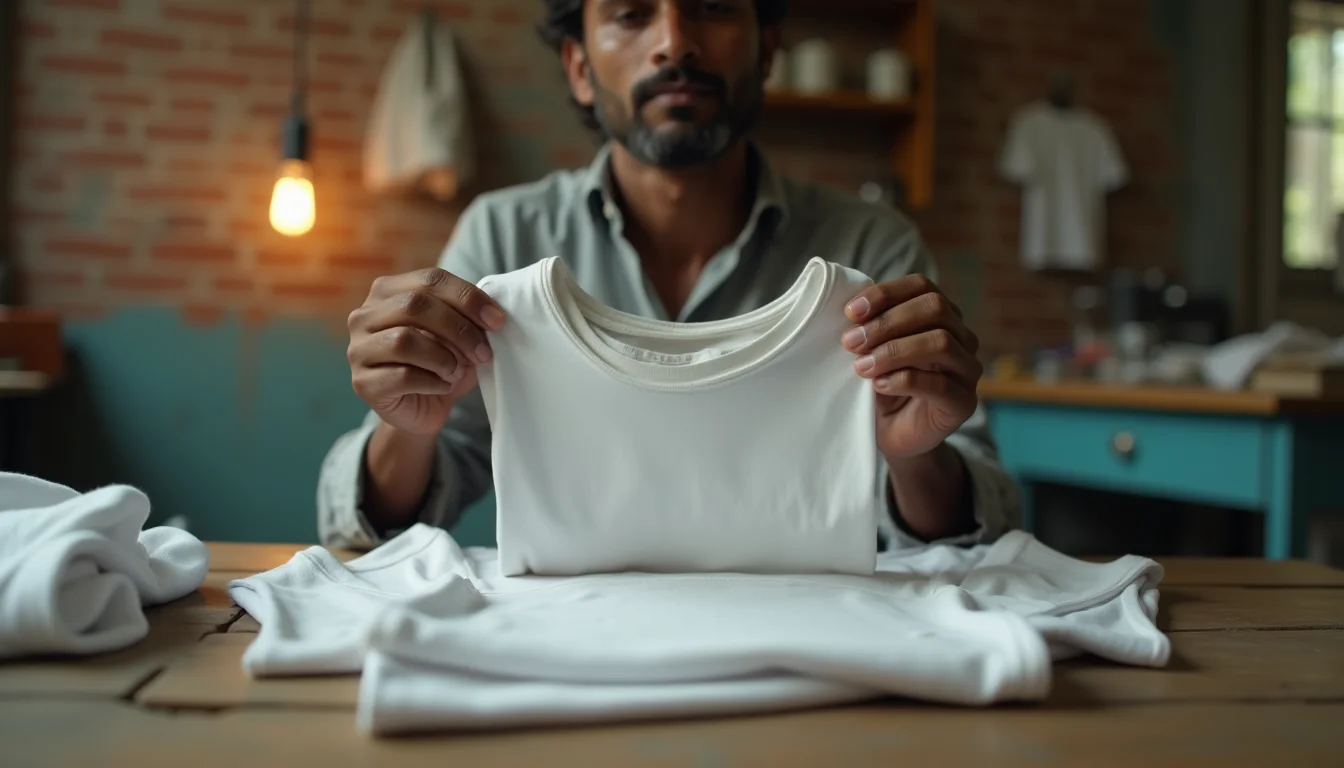
Indian summers are brutal. Temperatures hit 40–45°C in large parts of the country, humidity swings wildly between North and South India, and your customers' t-shirts go through repeated washes and prolonged sun exposure. For anyone running a custom printing business — whether you use DTF, screen printing, or sublimation — the question is not just which method looks best, but which method actually survives.
This guide answers that question with hard facts, real-world tests, and practical advice drawn from the Indian textile industry. We'll break down each method, explain exactly why prints fail in the heat, and tell you what to fix so your customers stop calling with complaints.
Understanding the Three Printing Methods
Before diving into summer performance, let's quickly establish what each method actually does to your fabric — because that's what determines how it holds up in heat.
DTF (Direct to Film) Printing
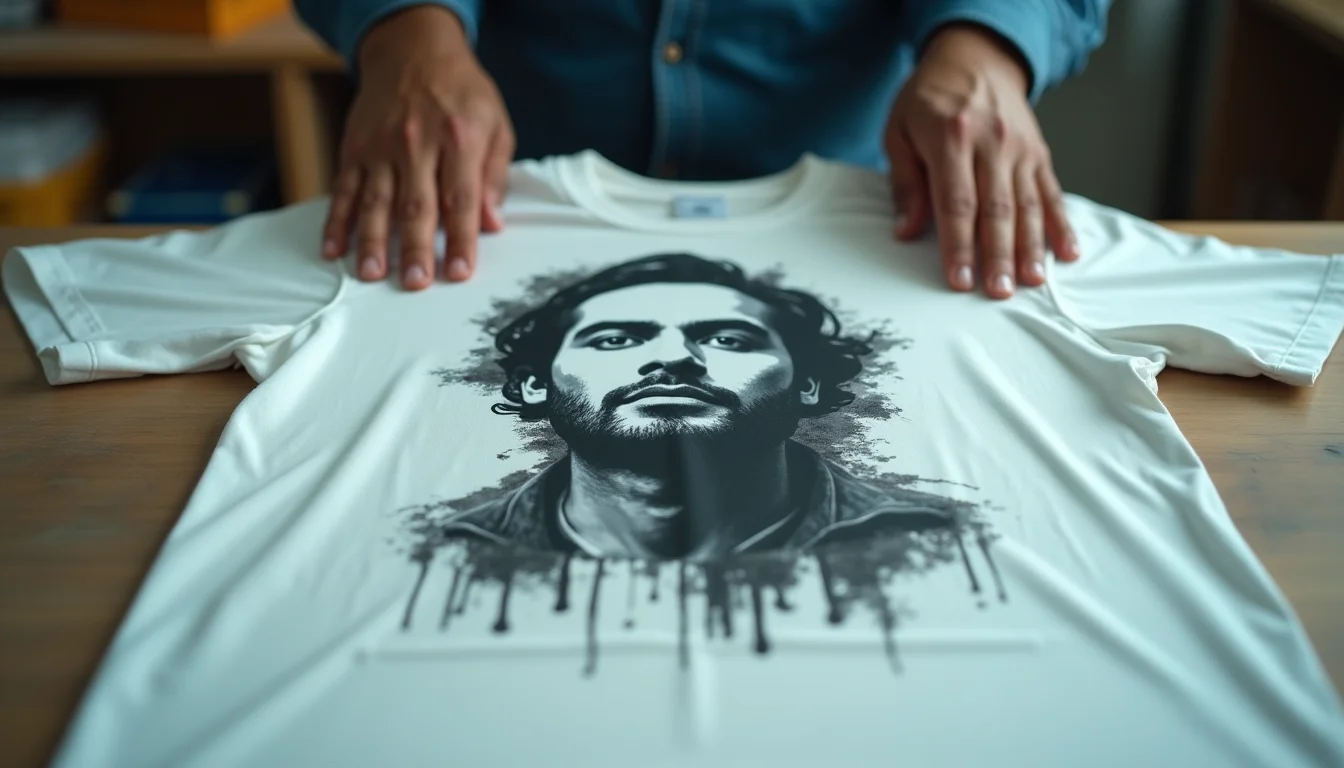
In DTF printing, the design is printed onto a special film using water-based inks. A hot-melt adhesive powder is then applied and cured. The film is pressed onto the garment using a heat press, bonding the ink layer to the fabric surface. The result is a vibrant, detailed print that sits on top of the fabric — it doesn't penetrate the fibres.
This "on-top" characteristic is both DTF's biggest strength (it works on any fabric, any colour) and its key weakness in extreme heat conditions.
Screen Printing
Screen printing forces ink directly through a mesh screen (stencil) into the fabric fibres. When cured properly, the ink becomes part of the fabric itself. This penetration is what makes screen printing one of the most durable methods available — when done correctly. However, proper curing is non-negotiable. As we'll see, even 10 seconds less curing time can destroy an entire batch. If you've ever dealt with a wrong mesh count ruining a print run, you know how critical the technical details are.
Sublimation Printing
Sublimation uses heat to convert dye into gas, which then bonds directly with polyester fibres at a molecular level. The result is a print that is essentially part of the fabric — it cannot crack, peel, or sit on the surface because it is the surface. The critical limitation: sublimation only works on polyester (or polyester-coated substrates). On 100% cotton, sublimation produces dull, washed-out results that continue to fade with every wash.
How Indian Summer Heat Destroys Each Print Method
India's summer is not just "warm." In cities like Delhi, Nagpur, Rajasthan, and interior Maharashtra, temperatures routinely touch 45°C — and surfaces like roads, walls, and even hung clothing can reach significantly higher temperatures. Add UV radiation, dusty conditions, and frequent machine washes, and you have a stress test that exposes every flaw in print technique.
Why DTF Prints Crack in Summer
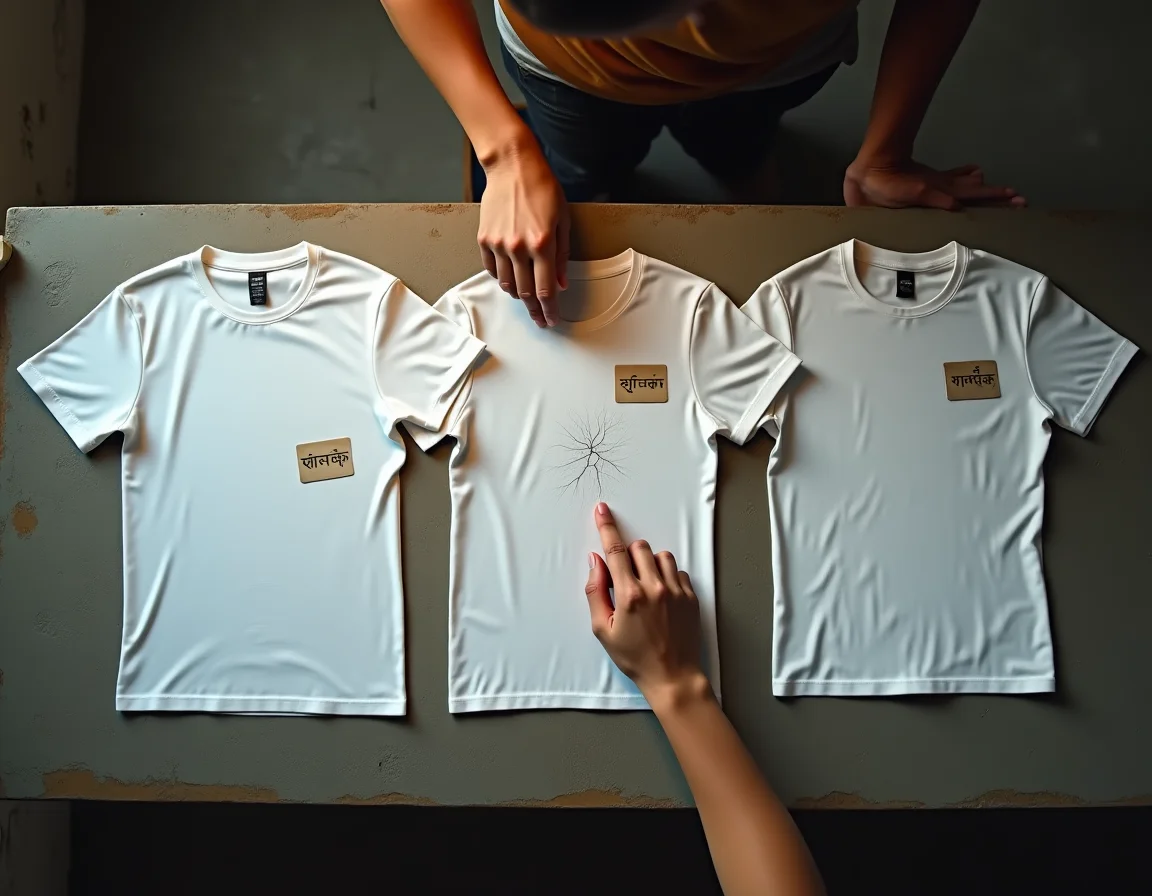
The core problem with DTF in Indian summer heat is the adhesive film layer. When ambient temperature exceeds 40°C and direct sunlight hits the garment, the heat-melt adhesive begins to lose its bonding strength. The film layer expands differently than the cotton fabric underneath, and repeated thermal cycling — hot day, cool evening, hot day again — causes microscopic stress fractures.
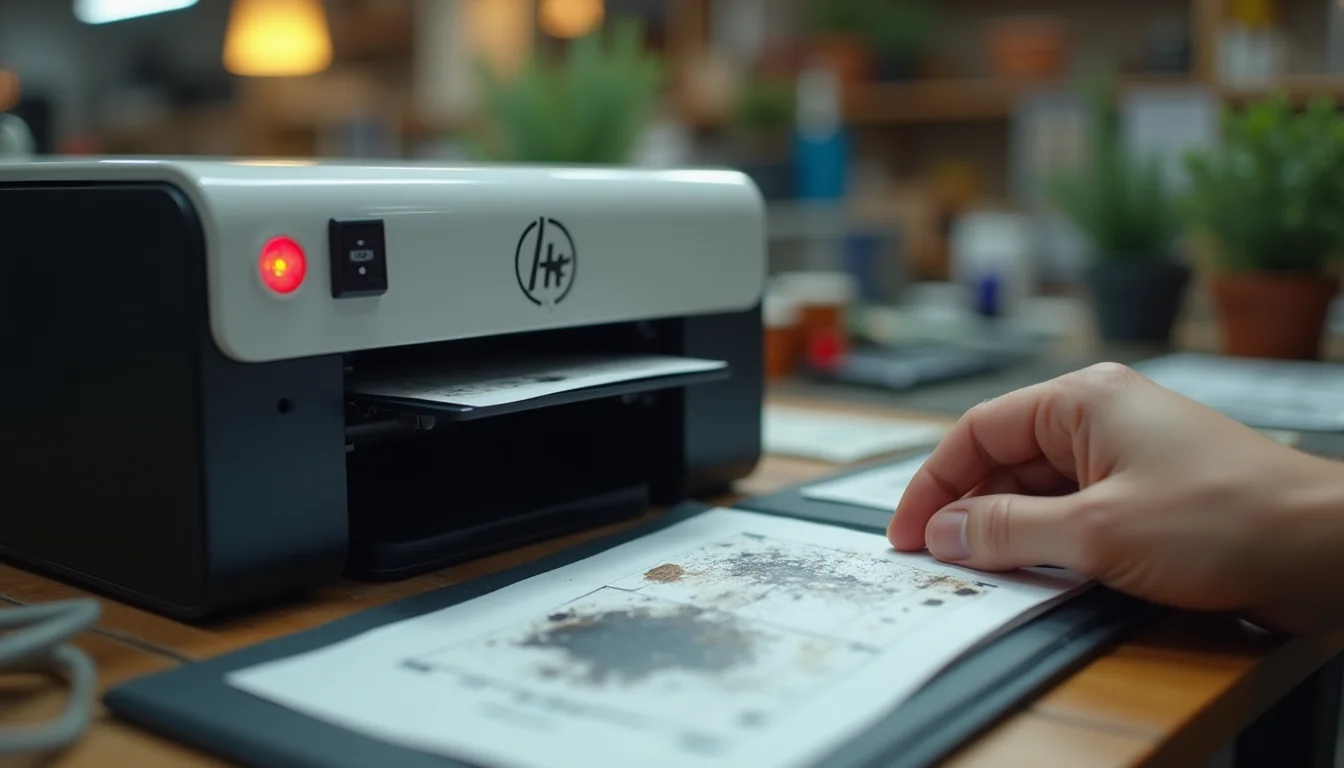
Combine this with sweat (which introduces moisture under the film's edges) and repeated washing, and you get visible cracking within weeks. Importantly, under-curing during production dramatically worsens this. If your heat press temperature is even slightly below the recommended 160°C, or your press time is 5–10 seconds short, the adhesive never fully bonds. That print is pre-cracked before it even leaves your shop.
The fix? Always cure DTF at the correct temperature (155–165°C depending on film brand) for the full recommended time. Use a calibrated heat press — not a cheap uncalibrated unit. And when comparing equipment costs, a budget DTF printer vs a quality machine can make the difference between prints that last and prints that fail in 90 days.
Why Screen Prints Fade When Curing Is Short
Screen printing is the most durable method for cotton in summer — but only when curing is done correctly. The ink must reach its full cure temperature throughout its entire depth. Plastisol inks (the most common in India) need to reach 160°C all the way through. If you pull the garment off the conveyor dryer 10 seconds too early, the bottom of the ink layer remains uncured.
Under-cured plastisol ink washes out rapidly. Within 3–5 washes, you'll see significant colour loss. After 10 washes, the print may be almost completely gone. This is not a problem with screen printing as a method — it's a quality control failure in your production process.
Additional summer-specific issues include: ink that becomes too thin when ambient workshop temperature is high (affecting viscosity and coverage), and mesh clogging from heat-accelerated drying on the screen during long print runs.
Why Sublimation Fails on Cotton in Summer
Sublimation prints on cotton are not really sublimation — they're a surface-level dye transfer that has no molecular bond with the cotton fibre. In Indian summer conditions, UV exposure plus frequent washing strips this surface dye within weeks, producing the characteristic "washed out" appearance. No amount of process improvement will make sublimation durable on cotton — the chemistry simply doesn't work.
On polyester, however, sublimation is arguably the most heat-resistant method of all three. Since the dye is molecularly bonded into the polyester fibre, it doesn't crack, peel, or fade significantly — even in 45°C heat with direct sun exposure. For sportswear, dryfit jerseys, or polyester promotional wear, sublimation remains an excellent choice.
Summer Performance Comparison: DTF vs Screen Print vs Sublimation
Here's a straight comparison based on real-world conditions in Indian summer:
| Factor | DTF | Screen Print | Sublimation |
|---|---|---|---|
| Works on 100% Cotton? | ✓ Yes | ✓ Yes | ✗ No (Polyester only) |
| Heat Resistance (40-45°C) | Medium | High (if cured right) | High (on polyester) |
| Wash Durability | Medium | High | Low (on cotton) |
| Cracking Risk in Summer | High if under-cured | Low if cured correctly | None on polyester |
| Colour Vibrancy | Excellent | Good (spot colours) | Excellent |
| MOQ Flexibility | Very Low (1 pc) | Medium (12+ pcs) | Low |
| Best For Summer Cotton | Yes, with care | Best choice | Not recommended |
| Common Failure Mode | Film cracking/peeling | Under-cure fading | Colour washout on cotton |
The Fabric Factor: Why Your T-Shirt Quality Matters as Much as Your Print
Here's something most printing guides miss entirely: the base fabric you print on has a massive impact on how long your print survives. This is especially true in Indian summers, where sweat, frequent washing, and sun exposure all interact with the fabric alongside the ink.
GSM and Print Durability
GSM (grams per square metre) is a measure of fabric weight and density. For summer printing businesses, the right GSM choice affects both customer comfort and print longevity:
- 180 GSM: Light, breathable — ideal for everyday summer wear. Slightly thinner weave means slightly more ink absorption variability in screen printing.
- 200 GSM: The sweet spot for premium custom printing. Dense enough for consistent ink coverage, light enough for summer comfort. Most professional printers prefer this GSM for summer collections.
- 220 GSM: Heavy premium weight — excellent for DTF (more stable base reduces cracking risk). Best for spring/autumn, but used in premium summer styles too.
Why Bio-Washed, Pre-Shrunk Cotton Is Essential
When you print on fabric that hasn't been pre-shrunk, the garment shrinks after the customer's first wash — and that shrinkage physically stresses the print layer, causing cracking and peeling. This is a common but entirely avoidable print failure that gets blamed on the printing method when the real culprit is the base garment.
Bio-washed (enzyme-treated) cotton has a smoother, more uniform surface that provides better ink adhesion for both DTF and screen printing. Ring-spun combed cotton fibres are finer and more consistent, reducing surface irregularities that cause uneven ink coverage. When you're running a serious printing business, your fabric source is not a secondary concern — it's foundational to your print quality.
Method-Specific Tips to Survive Indian Summers
Making DTF Last Longer in Summer
- Calibrate your heat press regularly. Ambient temperature changes affect press performance. What reads 160°C in a cool workshop may behave differently in a 38°C summer shop.
- Increase press time by 2–3 seconds in summer. The higher ambient temperature can cause slight adhesive activation changes. A small time increase compensates.
- Use premium DTF film. Not all films are equal. Budget films have lower-quality adhesive that fails faster under heat stress.
- Advise customers to wash inside out in cold water. This simple instruction can double the perceived lifespan of any DTF print.
- Avoid direct sunlight storage. Store printed garments away from direct sun before dispatch. Film can begin stress-cracking even before the customer receives it if stored in a hot delivery vehicle for days.
If you're investing in DTF equipment, it's worth thinking carefully about your setup. Many printers discover too late that their equipment choices are limiting their quality and output — the difference between a ₹2L and ₹8L DTF printer setup is not just speed, but print consistency and longevity.
Making Screen Prints Last Longer in Summer
- Verify curing temperature with a donut thermometer or temp strips. Never assume your dryer is hitting the right temperature.
- Extend conveyor belt time in summer. Higher ambient temperature can make the garment feel hot to the touch before it's fully cured, leading operators to pull it too early.
- Choose the right ink formulation. Phthalate-free plastisol inks with heat-stable pigments hold colour better through Indian summers than cheap locally sourced inks.
- Match mesh count to design complexity. Using the wrong mesh count not only affects print quality — it affects ink deposit thickness, which directly impacts durability. A thinner ink deposit from a high mesh count will fade faster under UV exposure.
- Add a clear overprint coat for maximum durability on light garments. This extra layer adds UV resistance and significantly extends print life.
Getting Sublimation Right in Summer
- Stick to polyester substrates. Accept this limitation and build your sublimation product line around 100% polyester or minimum 65% polyester blends.
- For summer sportswear, sublimation is actually ideal. Polyester dryfit fabric + sublimation = prints that survive sweat, UV, and repeated washing far better than any other method.
- Don't attempt to sublimate on cotton t-shirts for paid orders. Samples for your own reference are fine, but selling sublimation prints on cotton is setting yourself up for refund requests.
Choosing the Right Base T-Shirt for Your Printing Method
For custom printing businesses running summer collections, your blank t-shirt selection is as strategic as your print method. For screen printing and DTF on cotton, you need bio-washed, pre-shrunk, ring-spun combed cotton garments. Fabric that hasn't been properly finished will shrink, distort your prints, and generate customer complaints that unfairly get blamed on your printing quality.
Sale91.com (BulkPlainTshirt.com) manufactures its own fabric in-house from Tiruppur — meaning the quality is controlled from the yarn stage, not bought from a third-party supplier. All t-shirts are 100% ring-spun combed cotton, bio-washed, and pre-shrunk, available in 180, 200, and 220 GSM to match your printing and product needs. With 1 lakh+ pieces in ready stock at any time and MOQ as low as 10 pieces, you can test new products without committing to massive volumes. Browse the full range at the product catalog.
When your blank quality is consistent, your printing results become predictable. And in a business where customer returns and complaints eat your margin, predictability is everything. Speaking of margin — if you're working with a tight per-piece budget and need to decide between printing methods, a practical budget comparison like DTF vs Screen vs DTG at ₹100/pc can help you choose the method that maximises profitability.
The Real Lesson: Technique Matters More Than Method
Here's the most important takeaway from the story we started with: all three methods failed — not because the methods are bad, but because the execution was flawed. DTF film cracked because curing was incomplete. Screen prints faded because the curing temperature was too low. Sublimation washed out because it was applied to 100% cotton.
The method matters far less than your mastery of that method. A screen printer who has perfected their curing process will consistently outperform a DTF operator who cuts corners on press time. An operator who understands the technical limitations of sublimation will never sell a cotton sublimation t-shirt — and will never get that complaint call.
- ✅ Calibrate your heat press / conveyor dryer before every production run
- ✅ Do a 5-wash test on every new blank + ink/film combination
- ✅ Use pre-shrunk, bio-washed 200 GSM cotton blanks for all DTF and screen print work
- ✅ Never attempt sublimation on cotton for paid customer orders
- ✅ Advise customers on wash care — inside out, cold water, no tumble dry
- ✅ Store printed garments away from direct sunlight before dispatch
- ✅ For high-UV regions (Rajasthan, Gujarat, MP), add a clear overprint coat on screen prints
Watch the Video
See the real comparison in action — DTF, screen print, and sublimation tested side by side under Indian summer conditions:
Frequently Asked Questions
More Articles
Order Blank T-Shirts for Your Printing Business
Get 100% cotton, bio-washed, pre-shrunk t-shirts in 180, 200 & 220 GSM — manufactured in-house from Tiruppur. 1 lakh+ pieces in ready stock. MOQ just 10 pieces. PAN India delivery.
₹3/pc discount on online orders | ₹2/pc extra on 500+ qty | 50% COD available
Order Now at Sale91.com →