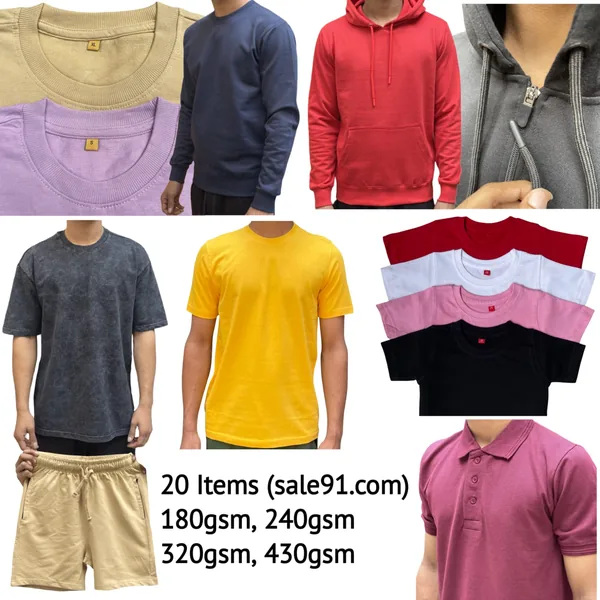
24/7 Live Warehouse Tour — BulkPlainTshirt.com Tiruppur | Plain T-Shirt Wholesale India, 2 Lakh+ Orders
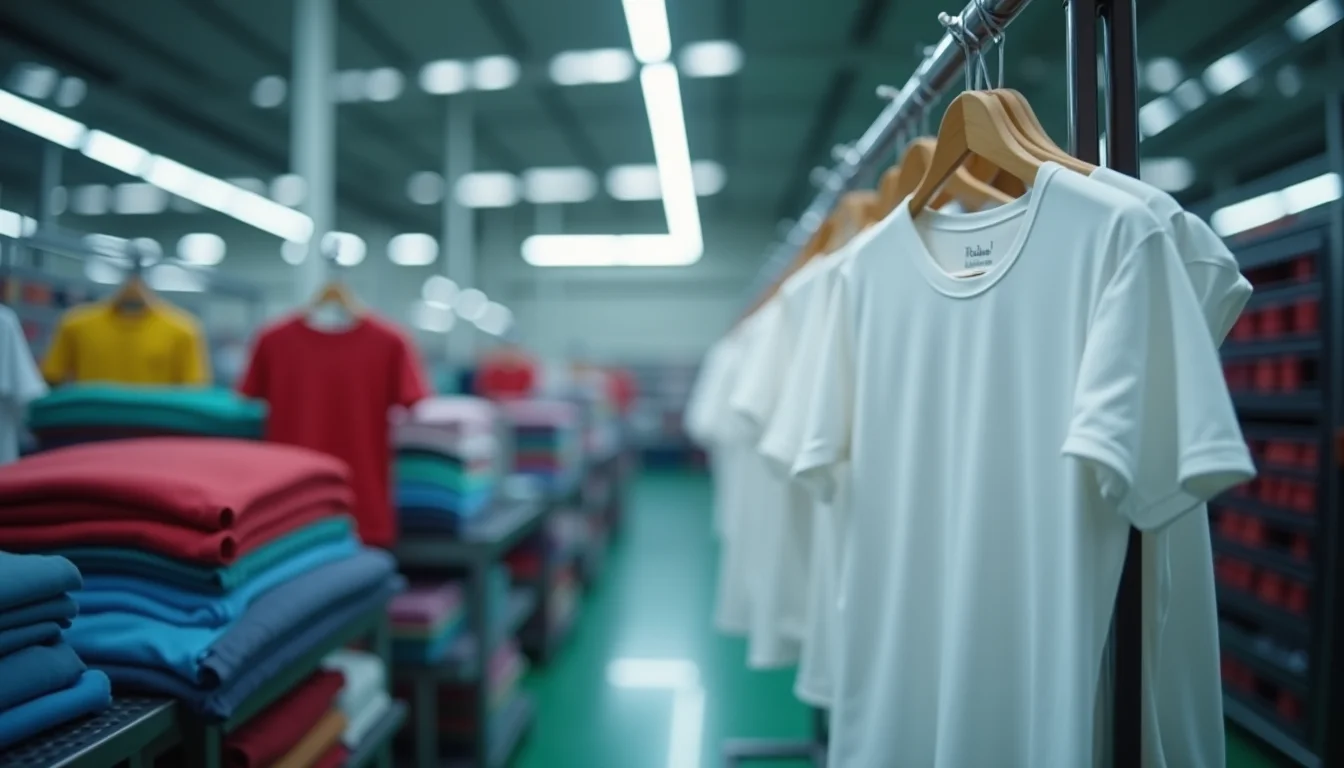
In an industry where trust is everything, transparency isn't just a buzzword—it's a necessity. When you're ordering hundreds or thousands of plain t-shirts for your printing business, you need to know exactly where your garments are coming from, how they're stored, and what quality standards are being maintained. That's why we've launched something unprecedented in the Indian B2B textile industry: a 24/7 live warehouse tour.
Welcome to the future of wholesale t-shirt procurement, where you can literally watch your future inventory being managed in real-time, right from Tiruppur, India's textile capital.
Why Complete Transparency Matters in B2B Textile Trade
The plain t-shirt wholesale industry in India has historically operated behind closed doors. Buyers would place orders based on product descriptions, sample pieces, and trust—often without seeing the actual manufacturing facility or warehouse operations. This lack of visibility has led to countless problems: quality inconsistencies, delayed deliveries, fabric mismatches, and ultimately, business losses for custom printing companies.
At Sale91.com, we recognized this fundamental gap in the market. Our customers deserve to see exactly what goes on behind the scenes. They deserve to know that when they order 500 pieces of 200 GSM bio-washed round neck t-shirts, those garments are coming from a professionally managed facility with proper inventory systems, quality controls, and logistics operations.
"Transparency builds trust, and trust builds long-term business relationships. When our customers can see our warehouse operations 24/7, they're not just buying t-shirts—they're partnering with a manufacturer they can genuinely rely on."
Inside Our Tiruppur Manufacturing and Warehouse Facility
Tiruppur isn't just another city in Tamil Nadu—it's the knitwear capital of India, producing over 90% of the country's cotton knitwear exports. Located here gives us access to the finest ring-spun combed cotton yarn, skilled textile workers with generations of expertise, and a complete ecosystem of dyeing, knitting, and finishing units.
Own Knitted Fabric: What It Really Means
Unlike traders and resellers who source t-shirts from multiple vendors (leading to quality inconsistencies), BulkPlainTshirt.com operates its own knitting units. This means we control the entire manufacturing process from yarn procurement to finished garment. When we say "own knitted," we mean:
- Yarn Selection: We source only ring-spun combed cotton—the premium yarn type that creates softer, stronger, and more durable fabric compared to carded cotton or open-end spinning methods.
- Knitting Control: Our circular knitting machines are calibrated to produce specific GSM (grams per square meter) densities—180 GSM for everyday wear, 200 GSM for premium feel, 220 GSM for heavy premium applications.
- Bio-washing Process: Every t-shirt goes through enzyme treatment that removes excess lint, creates a smoother surface, and enhances color brightness while maintaining fabric integrity.
- Pre-shrinking Treatment: Our compacting machines ensure dimensional stability, so the t-shirts you receive won't shrink significantly after the first wash—critical for businesses that need consistent sizing.
1 Lakh+ Ready Stock: How We Maintain This Inventory
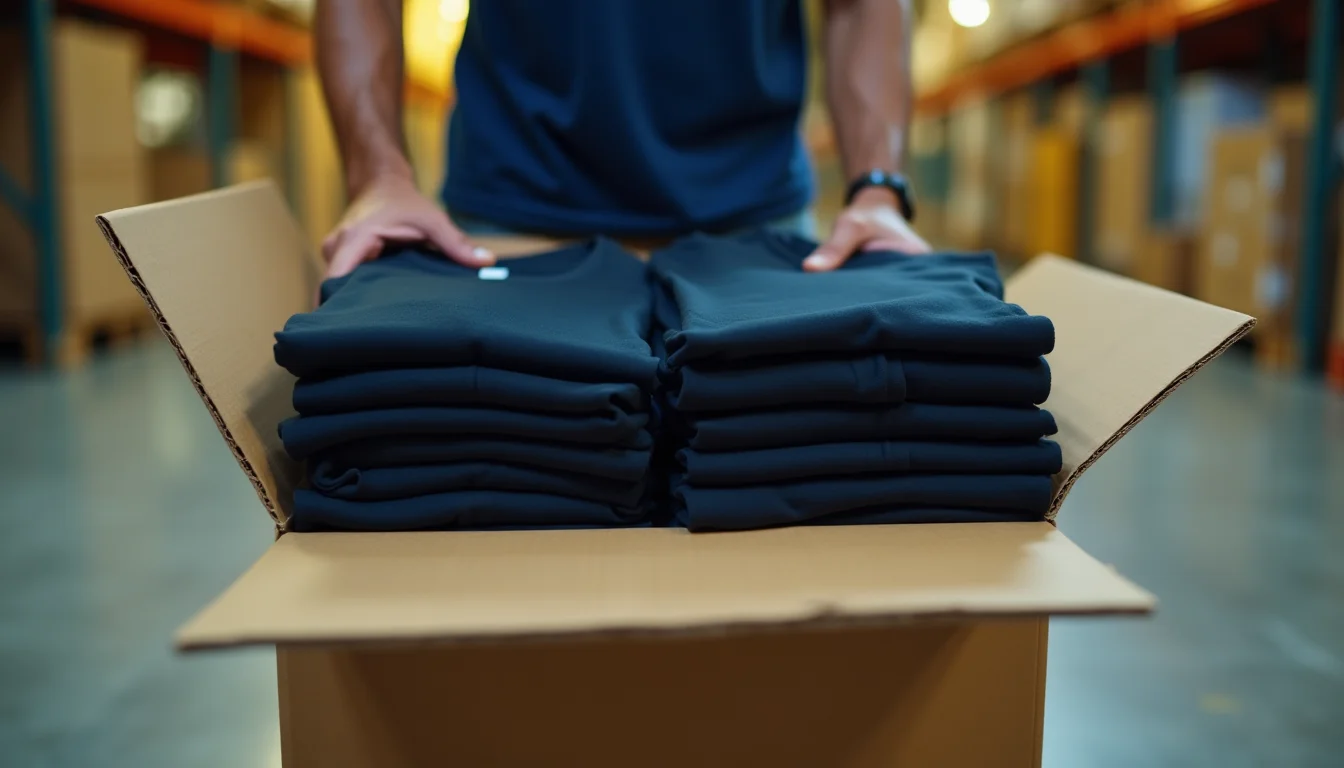
Maintaining over 100,000 plain t-shirts in ready stock across multiple colors, sizes, and GSM specifications is no small feat. It requires sophisticated inventory management, climate-controlled storage, and precise forecasting based on customer demand patterns. Many printing business owners have faced situations similar to ordering large quantities without proper sampling, which can lead to costly mistakes if the supplier doesn't maintain consistent quality standards.
Our warehouse operates on a dynamic inventory model where we constantly replenish stock based on real-time sales data. Popular combinations like White 200 GSM Round Neck in M and L sizes are always kept in abundance, while specialty items like Acid Wash Oversized t-shirts are produced in controlled batches to ensure freshness.
The climate control is particularly important. Cotton is a natural fiber that can absorb moisture, develop odors, or attract pests if stored improperly. Our warehouse maintains optimal temperature (18-22°C) and humidity levels (45-55% RH) to preserve fabric quality during storage.
From Tiruppur to Your Doorstep: The Logistics Network
While our manufacturing happens in Tiruppur, we understand that the majority of printing businesses are located in North India—particularly in Delhi, NCR, Punjab, Haryana, and Uttar Pradesh. That's why we've established a strategic warehouse in Khanpur, South Delhi.
Delhi Warehouse: Faster Delivery for North India
The Delhi warehouse serves as our distribution hub for the northern region. When you place an order on Sale91.com, the system automatically determines whether to dispatch from Tiruppur or Delhi based on your location and the stock availability. This dual-warehouse strategy ensures:
- Same-day dispatch for Delhi NCR orders (if placed before 2 PM)
- 1-2 day delivery for most North Indian cities
- Reduced transportation costs passed on as savings to customers
- Better handling of urgent or rush orders
For bulk orders exceeding 5000 pieces or for export consignments, shipments are typically made directly from Tiruppur to minimize handling and potential quality issues during transit.
Export Capabilities: Serving Global Printing Businesses
While we primarily serve the Indian market, we've developed robust export capabilities for international customers—particularly in the Middle East, Southeast Asia, and African markets where there's growing demand for quality Indian cotton garments at competitive prices.
Export orders can be shipped via:
- Air Courier (DHL/FedEx): For samples and smaller orders (up to 100 kg), delivery within 4-7 days to most countries
- Sea Freight: For bulk orders (500+ pieces), more economical with 20-45 day transit depending on destination
We handle all export documentation including GST invoices, shipping bills, and certificate of origin to ensure smooth customs clearance at the destination port.
Understanding GSM: Why It's Critical for Your Printing Business
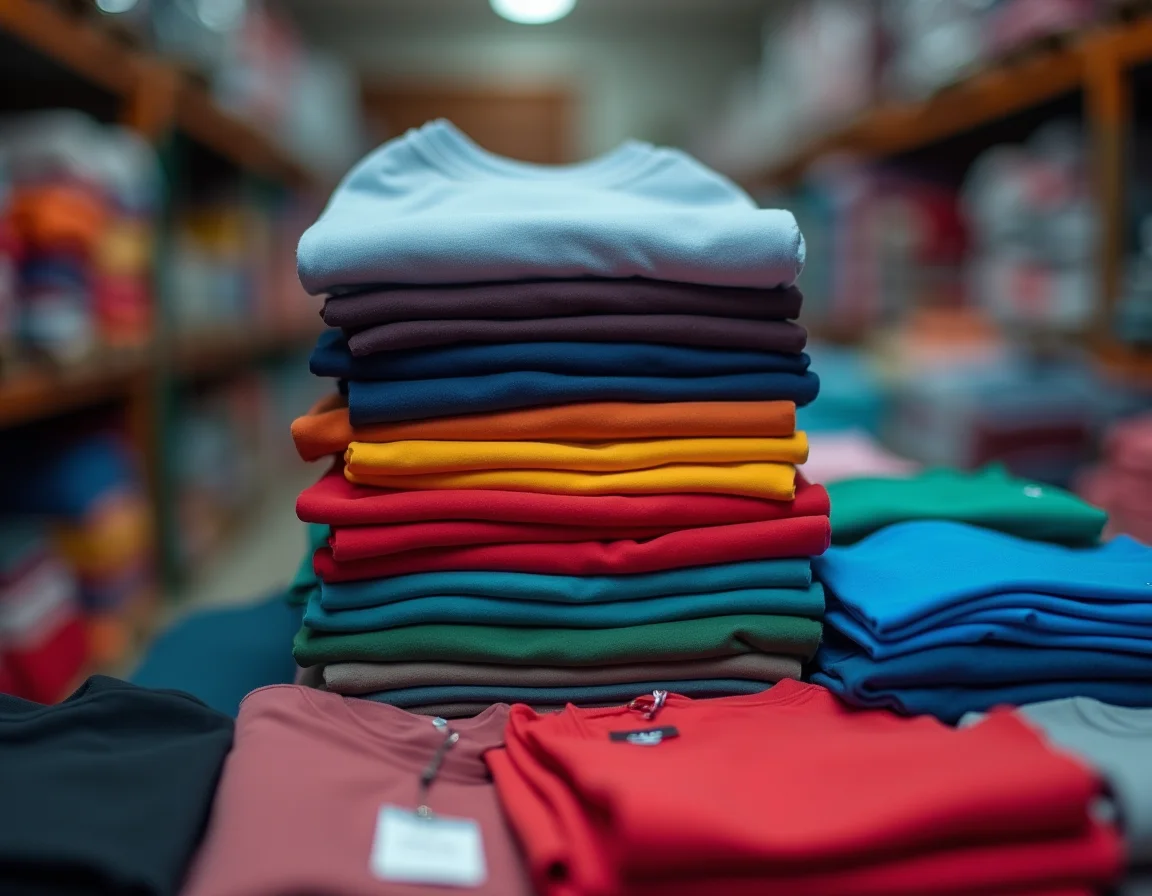
If there's one specification that confuses new printing business owners the most, it's GSM (grams per square meter). Yet, it's arguably the most important factor that determines your product quality, printing results, and customer satisfaction. Understanding the differences between various GSM options can prevent costly mistakes—similar to the situation where incorrect GSM selection led to significant losses.
180 GSM: The Economy Choice
Our 180 GSM plain t-shirts are designed for high-volume, price-sensitive applications. The fabric is lighter, making these shirts ideal for:
- Corporate bulk orders where cost is the primary concern
- Event merchandise that will be worn once or twice
- Hot climate regions where lighter fabric is preferred
- Simple single-color screen printing designs
However, 180 GSM has limitations. The fabric is more transparent, especially in light colors like white or yellow. It may show undergarment outlines. For DTG printing, the lighter weight means ink may bleed through slightly, and the texture of elaborate designs may not feel as premium.
200 GSM: The Sweet Spot for Most Printing Businesses
Our 200 GSM range accounts for approximately 65% of our total sales—and for good reason. This weight strikes the perfect balance between:
- Opacity: Sufficient fabric density to prevent see-through issues
- Printability: Excellent surface for DTG, DTF, screen printing, and vinyl transfer
- Cost-effectiveness: Only marginally more expensive than 180 GSM but perceived as significantly higher quality
- Durability: Maintains shape and color after multiple washes
For screen printers working with plastisol or water-based inks, 200 GSM provides enough thickness that the ink sits on the surface without soaking through. For DTG printers, the fabric weight allows for proper ink absorption while maintaining color vibrancy.
220 GSM: Premium Feel for Premium Brands
If you're building a premium apparel brand or serving high-end clients who can appreciate quality, 220 GSM is your fabric. The heavier weight translates to:
- Substantial hand feel—customers can literally feel the quality
- Better drape and structure—the t-shirt holds its shape beautifully
- Superior durability—ideal for merchandise that needs to last years, not months
- Luxury perception—justifies higher retail pricing
The trade-off is price. Our 220 GSM t-shirts cost approximately Rs 15-20 more per piece compared to 200 GSM. For premium brands selling t-shirts at Rs 500-800 retail, this cost difference is negligible. For volume sellers targeting Rs 250-350 retail price points, it may not be justified.
Color Consistency: Why It Matters More Than You Think
One of the most common complaints we hear from printing businesses about other suppliers is color inconsistency. They'll order "Navy Blue" and receive three different shades across three batches. They'll order "Black" and get what looks like charcoal gray. Understanding color matching becomes crucial, and mistakes like Navy Blue vs Black confusion can result in significant inventory losses.
At BulkPlainTshirt.com, we maintain strict dyeing standards using globally recognized Pantone color references. Our most popular colors include:
- White: Pure optical white (not cream or off-white)
- Black: Deep jet black with excellent color fastness
- Navy Blue: Classic navy (not royal blue or dark blue)
- Maroon: Rich burgundy tone
- Olive Green: Trendy military-inspired shade
- Charcoal: Modern dark gray alternative to black
We maintain color swatches that customers can reference when placing orders. For bulk orders exceeding 1000 pieces, we strongly recommend ordering samples from the specific production batch to verify color accuracy before proceeding with the full order.
Pricing Structure: Transparent, Competitive, and Fair
Pricing in the B2B textile industry can be opaque, with different rates for different customers based on negotiation skills rather than order quantity. We've simplified our pricing structure to be transparent and fair:
Standard Pricing Tiers
Our base pricing is competitive and published on our product catalog. From there, discounts are applied systematically:
- Online Purchase Discount: Rs 3 per piece automatically deducted for any online order (vs. offline purchase)
- Volume Discount: Additional Rs 2 per piece for orders of 500+ pieces
- Repeat Customer Benefits: Prepaid orders from second purchase onward (no COD charges)
For example, if the catalog price for a 200 GSM Round Neck t-shirt is Rs 150:
- Order of 100 pieces online: Rs 147 per piece (Rs 3 online discount)
- Order of 500 pieces online: Rs 145 per piece (Rs 3 online + Rs 2 volume discount)
- Total savings on 500 pieces: Rs 2,500
COD Policy: Balancing Trust and Business Security
We understand that new customers are often hesitant to make full prepayment to an unknown supplier. That's why we offer 50% COD (Cash on Delivery) for first-time orders. However, there's a 3% COD handling charge to cover the additional risk and payment gateway fees.
From the second order onward, we request prepaid transactions. By this point, you've received one successful order, inspected the quality, and verified our reliability. Prepaid orders help us maintain lower pricing since we don't bear COD risks and charges.
The Printing Business Partnership: How We Support Your Growth
We don't see ourselves merely as a t-shirt supplier—we position ourselves as a growth partner for printing businesses across India. Our customer base includes:
- DTG Printing Studios: Small to medium operations doing custom single-piece prints for online customers
- Screen Printing Units: Traditional printers handling bulk orders for corporates, events, and promotional merchandise
- DTF Printers: Modern printing businesses using Direct-to-Film technology for vibrant, durable prints
- Heat Transfer Businesses: Operations using vinyl cutting and heat press for numbers, names, and simple graphics
- Embroidery Units: Businesses specializing in thread embroidery for premium corporate wear
- Fashion Startups: New apparel brands building their initial collections
Technical Guidance and Support
Many of our customers are first-time entrepreneurs entering the custom printing business. They have questions about fabric suitability for different printing methods, optimal GSM for their target market, sizing recommendations, and more.
Our customer support team (available via WhatsApp at +91 93366 95049) includes textile specialists who can guide you through:
- Choosing the right GSM for your printing method and target customer
- Color selection that minimizes ink costs while maximizing design impact
- Size distribution ratios (e.g., how many S/M/L/XL/XXL to order for general Indian market)
- Fabric pre-treatment requirements for different printing technologies
- Wash care instructions to share with your end customers
Quality Assurance: Our Multi-Stage Inspection Process
With 1,25,232+ pieces sold in the last 30 days alone, maintaining consistent quality isn't optional—it's existential. Our quality assurance process includes multiple checkpoints:
Stage 1: Fabric Inspection (Post-Knitting)
After fabric is knitted and before cutting, every roll is inspected on a fabric inspection machine under bright lighting. Common defects checked include:
- Holes or tears in the fabric
- Irregular knit patterns
- Color shading variations within the same roll
- GSM consistency (verified through random weight testing)
Defective fabric is rejected before it enters the cutting stage, preventing waste of labor and resources on garments that would ultimately be unsaleable.
Stage 2: Cut Panel Verification
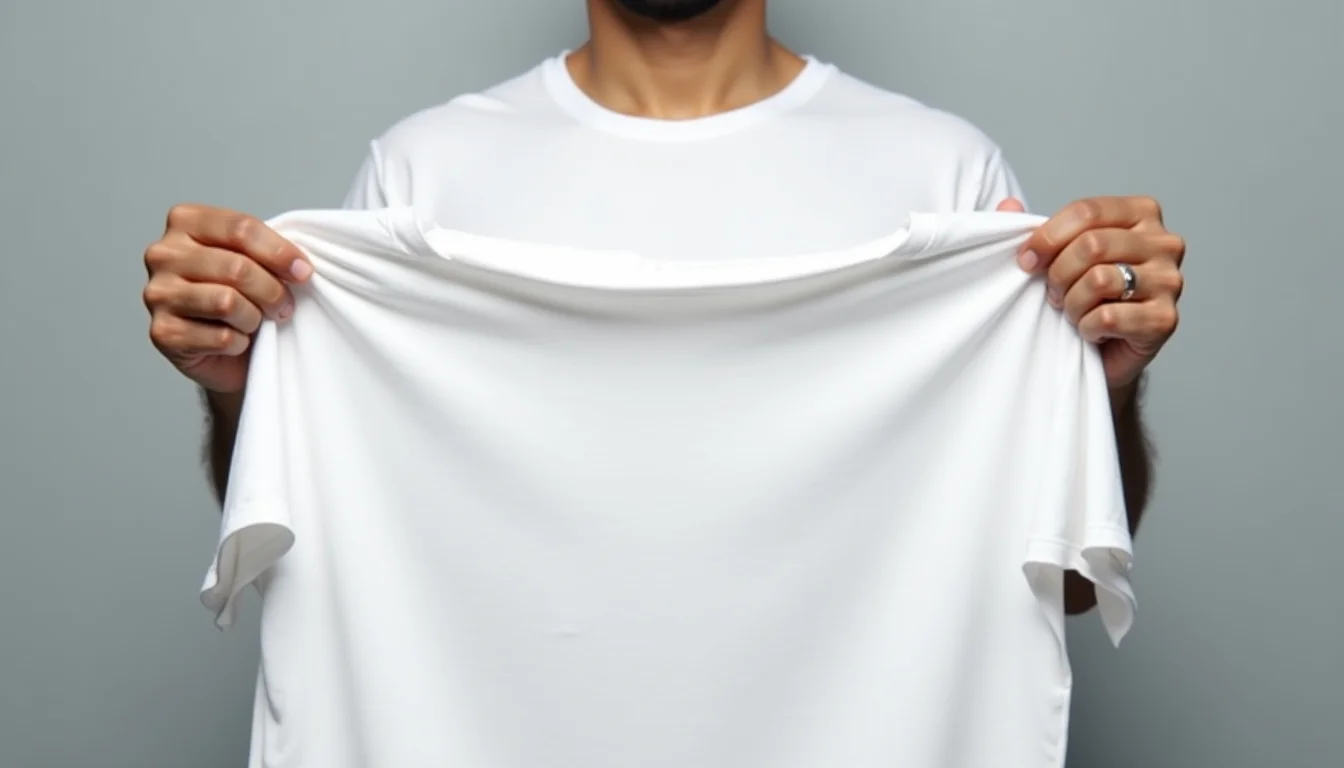
After cutting, panels (front, back, sleeves) are verified for accurate dimensions. Size specifications are critical—a medium t-shirt should measure the same across all batches. We maintain digital cutting patterns that are programmed into our cutting machines to ensure consistency.
Stage 3: Post-Stitching Inspection
Completed t-shirts are inspected for:
- Stitch quality (no loose threads, skipped stitches, or puckering)
- Seam strength (tested by pulling firmly on seams)
- Symmetry (collar alignment, sleeve attachment, hem straightness)
- Size accuracy (measured against standard size charts)
Stage 4: Final Pre-Dispatch Check
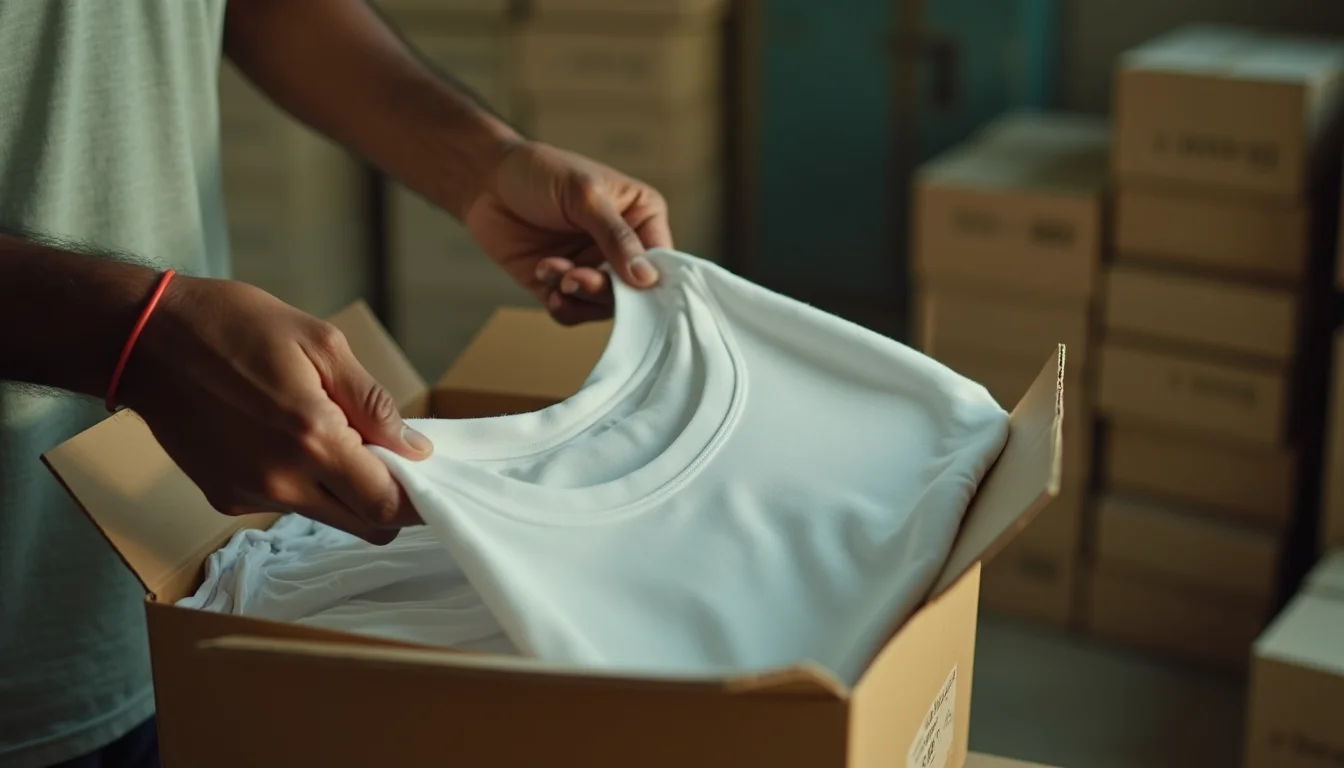
Before packing and dispatch, a random sampling of 5% of each order is pulled for final inspection. This catches any issues that might have slipped through earlier stages and gives us one last opportunity to ensure customer satisfaction.
Watch the Video: See Our 24/7 Live Warehouse in Action
We've talked about transparency, quality processes, and our warehouse operations—but nothing beats seeing it yourself. Our 24/7 live warehouse tour gives you an unfiltered, real-time view of our facility in Tiruppur.
Watch our workers organizing inventory, quality control teams inspecting garments, and the packaging section preparing orders for dispatch. This level of transparency is unprecedented in the Indian wholesale textile market—and we're proud to lead the way.
Frequently Asked Questions (FAQ)
Ready to Order from India's Most Transparent T-Shirt Manufacturer?
Join 2 Lakh+ happy customers who trust BulkPlainTshirt.com for their plain t-shirt wholesale needs.
🛒 Browse Our Catalog & Order Now
📱 WhatsApp: +91 93366 95049