Plain T-Shirt Factory Cost vs MRP — Why a ₹999 Branded Tee Costs Only ₹180 to Make in India
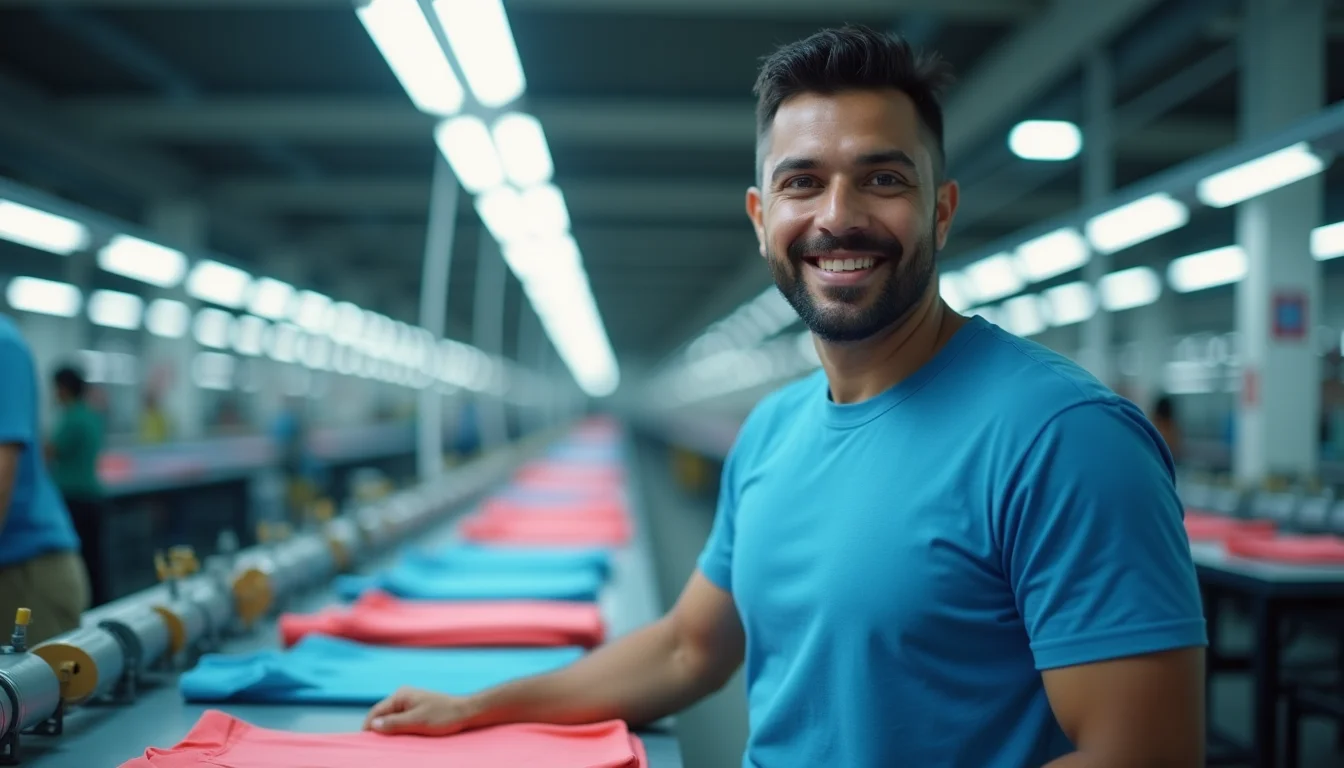
Every time someone pays ₹999 for a branded t-shirt, they're mostly paying for a logo, a paper bag, and a lit-up showroom — not the fabric. This is not speculation. We have been manufacturing plain cotton t-shirts in Tiruppur for nine years, and we knit our own fabric in-house. We know exactly what it costs to turn raw cotton yarn into a finished, bio-washed, pre-shrunk t-shirt ready for retail. The number is ₹180 for a 240 GSM piece. The brand sells it for ₹999. That gap — ₹819 — is the story this article tells.
Whether you're a print-on-demand entrepreneur sourcing blank tees, a retailer trying to understand your supply chain, or simply a curious buyer who wants to stop overpaying, this breakdown will change how you look at every t-shirt price tag.
The ₹180 Factory Cost: A Component-by-Component Breakdown
Let's be precise. The ₹180 figure is for a standard 240 GSM, 100% ring-spun combed cotton t-shirt — the kind that a mid-range brand would sell for ₹799–₹1,199 in a mall. Here is how that cost stacks up at the manufacturing stage:
| Cost Component | What It Covers | Cost per Piece |
|---|---|---|
| Fabric (240 GSM cotton) | Ring-spun combed cotton yarn, knitting, greige fabric | ₹100 |
| Stitching | Cutting, sewing, finishing, thread | ₹20 |
| Dyeing + Bio-wash | Reactive dye, enzyme wash, softener treatment | ₹20 |
| Overheads | Power, labour, QC, packaging, logistics to warehouse | ~₹40 |
| Total Factory Cost | ~₹180 | |
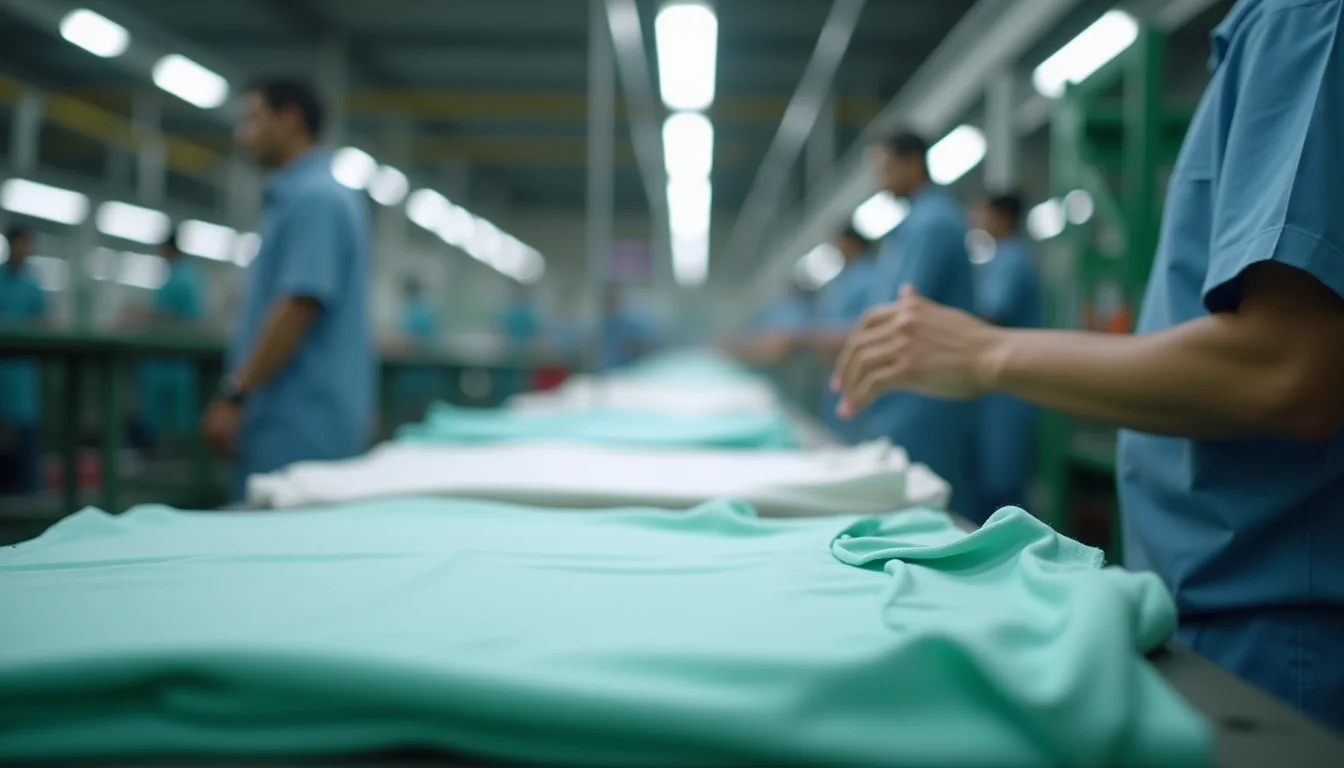
This is the cost at the gate of a Tiruppur factory. No brand margin. No retail markup. No influencer fee. Just cotton turned into a wearable garment.
Key insight: The fabric alone — the single largest cost — is ₹100 per piece for a 240 GSM t-shirt. Everything you feel when you hold a quality tee is right there in that ₹100.
Where Does the Other ₹819 Go?
When a brand prices a t-shirt at ₹999, the extra ₹819 over factory cost is not profit alone. It is distributed across a long chain of stakeholders and expenses. Here is a representative picture of how that markup is typically absorbed — note these are general industry estimates, not our specific business figures:
1. Brand Margin and Licensing
The brand name itself commands a premium. Apparel brands typically aim for a gross margin of 50–70% on their retail price before operating costs. Much of this pays back brand-building investments made over years: advertising campaigns, celebrity endorsements, sponsorships, and sustained social media presence.
2. Retail and Distribution Costs
Mall stores in tier-1 cities carry some of the highest per-square-foot rents in commercial real estate. Add franchise fees, store staff salaries, display fixtures, and the cost of running an air-conditioned showroom, and the retail layer alone can account for 20–30% of the MRP. Online channels swap showroom rent for performance marketing spend — same story, different format.
3. Distributor and Wholesale Margins
Between the factory and the store, there are typically one to three intermediaries: a national distributor, a regional distributor, and sometimes a local wholesaler. Each takes a cut — usually 8–15% at each node. By the time the garment reaches the retail shelf, multiple hands have touched it and taken their margin.
4. Packaging and Labelling
Premium folded packaging, tissue paper, logo-printed polybags, hang tags with QR codes, size labels, care labels, and sometimes even scented packing — none of this is free. On a premium branded tee, packaging can cost ₹20–₹50 per piece at scale.
5. Unsold Inventory and Markdowns
Brands over-produce to avoid stockouts. Unsold inventory gets liquidated at discounts during end-of-season sales. That loss is baked into the original MRP — you pay a little extra on every ₹999 shirt to compensate for the shirts that eventually sell at ₹399.
The honest summary: The fabric in a ₹999 branded t-shirt is essentially the same 240 GSM ring-spun cotton that exists in a factory-direct tee at ₹180–₹250. You are not buying better fabric. You are buying a brand story, a retail experience, and the security of a familiar logo.
GSM: The Only Number That Actually Measures T-Shirt Quality
GSM — Grams per Square Metre — is the single most objective quality indicator on a t-shirt. It measures how much cotton is packed into every square metre of fabric. A higher GSM means heavier, denser, more durable fabric. For a quick primer on what GSM, bio-wash, and pre-shrunk treatment mean for your purchase, see our FAQ guide.
Here is how the GSM range maps to real-world applications — and the corresponding factory cost range based on our in-house production at Tiruppur:
| GSM | Feel & Thickness | Best For | Approx. Factory Cost | Typical Branded MRP |
|---|---|---|---|---|
| 180 GSM | Light, breathable | Summer wear, inner layers, promotional tees | ~₹140–₹155 | ₹499–₹699 |
| 200 GSM | Medium weight, smooth | Everyday premium, DTG printing | ~₹155–₹170 | ₹699–₹899 |
| 210 GSM | Structured, semi-heavy | Corporate gifting, screen print | ~₹165–₹178 | ₹799–₹999 |
| 220 GSM | Heavy premium feel | Retail brands, premium custom orders | ~₹175–₹190 | ₹899–₹1,299 |
Notice that the factory cost difference between a 180 GSM and a 220 GSM tee is roughly ₹35–₹50 per piece. Brands, however, price the heavier GSM at ₹400–₹600 more at retail. That premium is not fabric cost — it is perceived value.
When choosing blanks for your t-shirt printing business, always specify the GSM in writing before placing a bulk order — it is the most commonly mismatched spec between what buyers expect and what they receive.
How to Actually Check T-Shirt Quality Without a Label
Brand tags lie by omission. They show you a logo and a "premium cotton" claim, but rarely a GSM number or yarn specification. Here is a practical, hands-on quality checklist you can use the moment you hold any t-shirt — branded or not:
5-Point Factory Quality Check (No Label Required)
- Weight Test: Pick up the t-shirt with one hand. A 200+ GSM tee has a noticeable, satisfying heft. A 150–160 GSM tee (often used in fast fashion despite "premium" claims) feels almost paper-thin.
- Stretch & Recovery: Gently pull the fabric sideways and release. Quality ring-spun combed cotton snaps back cleanly without distortion. Inferior blended fabric stays slightly stretched.
- Sunlight Transparency Test: Hold the tee up to light. A truly 200+ GSM fabric should not be see-through. If you can read text through the fabric, you are likely looking at 160 GSM or below.
- Seam Inspection: Check the shoulder seam and side seam stitching. Count the stitch density — quality garments run 12–14 stitches per inch. Loose, spaced stitching is a cost-cutting signal.
- Surface Feel: Bio-washed, combed cotton has a distinctly smooth, peach-like surface. Rough or slightly scratchy fabric usually means un-washed or carded (not combed) cotton — lower quality regardless of the GSM claimed.
These five checks take under 60 seconds. They will tell you more about a t-shirt's actual quality than any brand name ever will.
What "Own Knitted Fabric" Actually Means — And Why It Matters to You
Most t-shirt suppliers in India are traders: they buy fabric from a separate mill, send it to a job-work stitching unit, and sell the finished product to you. There is nothing inherently wrong with this model, but it adds cost and removes direct quality control at the most important stage — the fabric itself.
At Sale91.com, we knit our own fabric in-house in Tiruppur. This is not a marketing claim — it is a supply chain fact that directly impacts what you receive:
- GSM accuracy: When we say 220 GSM, we can verify it at the knitting stage itself, not just at final QC.
- Yarn traceability: We use ring-spun combed cotton yarn and can trace the quality back to the raw cotton input.
- Consistent colour depth: Dyeing on our own fabric means consistent dye uptake batch after batch — critical for businesses that reorder the same colour repeatedly.
- Faster turnaround: No waiting for a fabric supplier to deliver — we have over 1 lakh pieces in ready stock at any given time, supported by our Delhi warehouse in Khanpur, South Delhi.
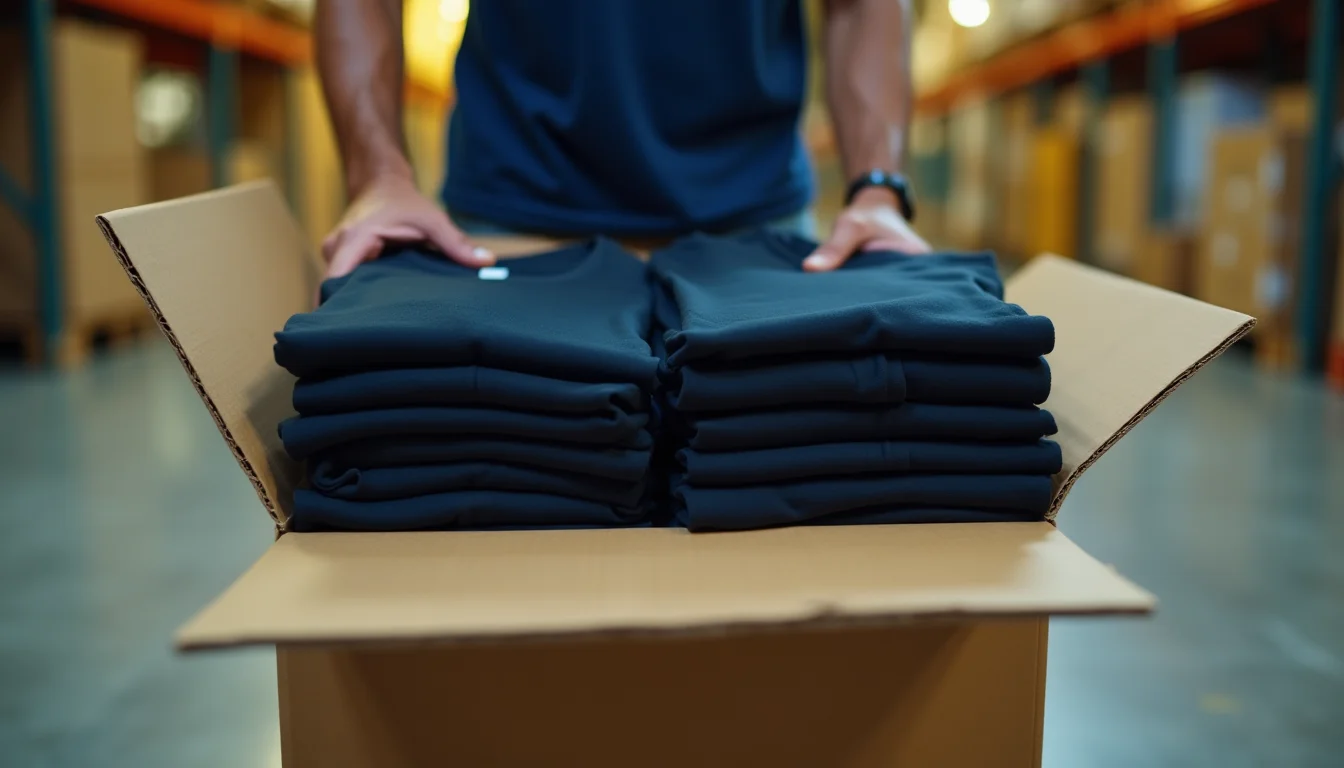
You can see our warehouse operations in detail — including the scale of stock movement and how we handle live warehouse dispatch across India — in our facility walkthrough content. Over 1,25,232 pieces shipped in the last 30 days alone.
The Printing Business Perspective: Why Factory Cost Transparency Matters
If you run a custom printing business — DTG, DTF, screen print, or heat transfer — your blank tee cost is the single largest variable in your unit economics. The gap between sourcing at ₹180–₹220 from a manufacturer versus buying branded blanks at ₹399–₹599 from a retailer is your gross margin.
Suppose you process 500 custom orders per month. If your blank tee costs ₹450 from a retail source vs. ₹210 from a direct manufacturer, that is a ₹240 per piece difference, or ₹1,20,000 per month in additional cost — money that either comes out of your margin or gets passed to your customer, reducing your competitiveness.
This is precisely why the B2B wholesale model exists. At Sale91.com, orders of 500+ pieces carry an additional ₹2 per piece discount, and any quantity ordered online gets a flat ₹3 per piece online purchase discount. For first-time buyers, 50% COD is available (with a 3% COD charge) so you can evaluate the product before committing fully.
If you're exploring ways to monetise a network without large upfront inventory, our referral programme also offers ₹1 per piece on referred orders — another factory-direct advantage that resellers do not offer.
The Full Product Spectrum: Not Just 240 GSM
The ₹180 breakdown above uses a 240 GSM example because it's the most commonly searched and bought weight range in India's custom printing segment. But our factory produces across a wider spectrum:
- 180 GSM — Everyday wear, summer season orders, budget promotional runs
- 200 GSM — Premium everyday, ideal for DTG printing due to tight weave surface
- 210 GSM — Popular for corporate gifting and screen print jobs
- 220 GSM — Heavy premium segment, retail-grade quality
- Oversized T-shirts — Drop-shoulder, boxy fit in multiple weights
- Polo T-shirts — Plain, bio-washed, 100% cotton
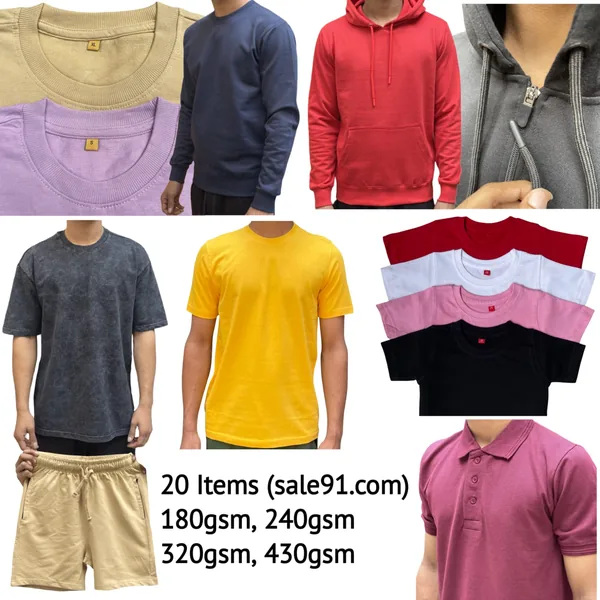
- Hoodies & Sweatshirts — Available in 240, 320, and 430 GSM fleece
- Acid Wash T-shirts — Regular and oversized, with distinctive washed finish
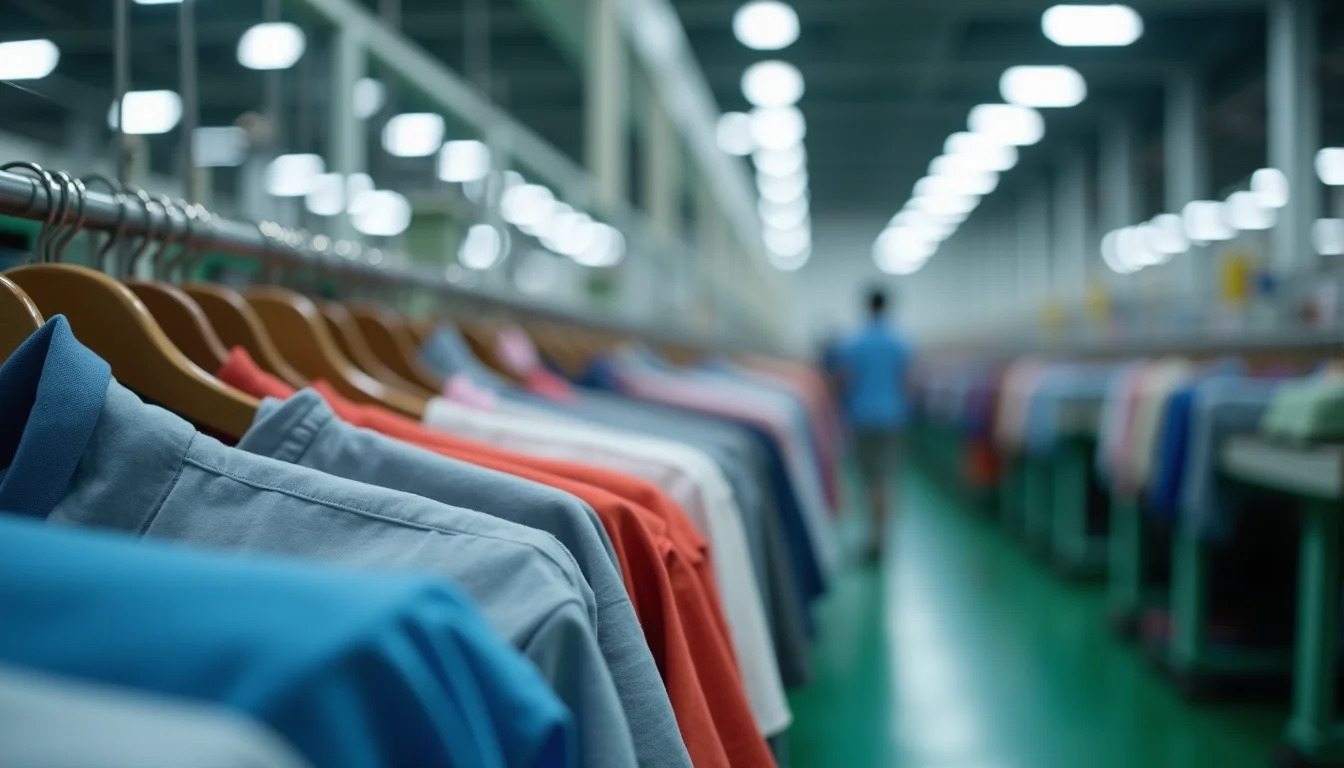
All products are 100% cotton, bio-washed, pre-shrunk, and made from ring-spun combed yarn. Available in 15+ colours. MOQ as low as 10 pieces on ready stock items. Browse the full range at our product catalogue.
A Decision Framework: Which GSM Should You Order for Your Business?
One of the most common questions from first-time B2B buyers is: "Which GSM should I buy for my printing business?" Here is a practical decision table built from real order patterns at our factory and warehouse:
| Your Printing Method | Recommended GSM | Why | Min. Order at Sale91 |
|---|---|---|---|
| DTG (Direct to Garment) | 200–220 GSM | Tight weave = better ink hold, sharper details | 10 pcs (ready stock) |
| DTF (Direct to Film) | 180–210 GSM | Lighter fabric reduces transfer stiffness | 10 pcs (ready stock) |
| Screen Printing | 200–220 GSM | Heavier fabric withstands high-pressure squeegee | 10 pcs (ready stock) |
| Heat Transfer / Sublimation | 180–200 GSM | Thinner fabric transfers heat more evenly | 10 pcs (ready stock) |
| Bulk Promotional / Events | 180 GSM | Cost efficiency at scale, acceptable print surface | 10 pcs (ready stock) |
| Premium Retail / D2C Brand | 220 GSM | Retail-equivalent weight and feel at factory price | 10 pcs (ready stock) |
The Export Angle: India's Factory Cost Advantage on the Global Stage
The ₹180 factory cost translates to roughly USD 2.15 at current exchange rates. In markets like the US, UK, or Australia, an equivalent quality plain t-shirt sells at retail for USD 15–30. The manufacturing cost advantage concentrated in Tiruppur is why India consistently ranks among the world's top garment exporters.
At BulkPlainTshirt.com, we export to buyers in other countries via both courier and sea freight. The same factory-direct pricing, the same in-house knitted fabric, the same bio-washed and pre-shrunk finish — available PAN India and internationally. If you are an overseas buyer looking for a reliable Tiruppur-based manufacturer, you can place orders through Sale91.com or contact us directly for export quotations.
What This Means Before Your Next T-Shirt Purchase
The next time you pick up a t-shirt — in a mall, on an e-commerce platform, or from a local vendor — here is the mental model to apply:
- Feel the weight. A 200+ GSM tee has substance. Anything that feels tissue-thin is likely 150–170 GSM regardless of what the tag says.
- Check the GSM on the label. Quality brands who are proud of their fabric often mention it. If it's absent, be sceptical of premium pricing.
- Estimate the real cost. Use the table above. A 180 GSM tee costs roughly ₹140–₹155 to make. If you're paying ₹799 for it at retail, you're paying ₹600+ for branding.
- Ask about bio-wash and pre-shrunk. These are not luxury features — they are basic manufacturing steps that any quality factory runs. If a supplier can't confirm them, the quality is questionable.
- For bulk buying, go factory-direct. The math is straightforward — every rupee you save on blank tees is margin you keep or pass to your customer as competitive pricing.
Watch the Video
We covered this topic on our YouTube channel in the Factory Sach series — honest conversations from inside a Tiruppur t-shirt factory. Watch the short below:
Frequently Asked Questions
Order Factory-Direct. Keep the ₹800 Difference.
Why pay ₹999 for a t-shirt that costs ₹180 to make? Source your blanks directly from the manufacturer — same fabric, same quality, fraction of the retail price.
1 lakh+ pieces in stock. Ship PAN India. MOQ just 10 pieces. 50% COD available on first orders.
Place Your Order at Sale91.com → Browse all products: BulkPlainTshirt.com/catalog