₹0 Marketing Se ₹10 Lakh/Month — Meri T-Shirt Business Ki Real Kahani (2017 to 2026)

What does it take to build a ₹10 lakh/month t-shirt business with zero marketing budget? No Instagram ads. No influencer deals. No investor money. Just a product that speaks for itself — and a founder stubborn enough to keep going when everyone said quit.
This is not a motivational reel. This is a real, unfiltered account of how a plain t-shirt wholesale business in India grew from ₹40,000 total sales in the first six months (2017) to crossing ₹10 lakh monthly revenue by 2023 — and sustaining that growth through 2026. If you are thinking about starting a t-shirt business, running a custom printing operation, or simply wondering whether quality alone can replace an ad budget, read this carefully.
2017: The Beginning With ₹0 Marketing Budget
The year was 2017. College had just ended. There was no investor, no network, no spare cash for Facebook or Google ads. The only asset was time — and a clear conviction that India's custom printing industry had a massive unsolved problem: inconsistent blank t-shirt quality.
Printers across India — DTG operators, screen printers, heat transfer businesses — were constantly complaining about fabric shrinkage after wash, uneven GSM, and color bleeding in bulk orders. The blank t-shirt they ordered was never quite what arrived. This was the gap.
With zero ad spend, the early strategy was brutally simple: manually message 20–30 print businesses every day on Instagram. Not spam — personalised messages identifying their pain points. "I noticed you do DTG printing. Do you face shrinkage issues with your current t-shirt supplier?" That kind of outreach.
The conversion rate was abysmal at first. But a few curious printers placed small trial orders. And this is where the product did the talking.
Why Fabric Quality Was the Only Marketing Strategy
Most t-shirt traders in India source fabric from whoever is cheapest that week. The result is inconsistency — different feel, different shrinkage rate, different print absorption from one batch to the next. This destroys a printer's reputation with their own end customers.
The decision from day one was to knit fabric in-house. Manufacturing in Tiruppur — India's textile capital — meant controlling every step: yarn quality, knitting tension, GSM accuracy, bio-washing, and pre-shrinking. When you control the knitting machine, you control the product.
What Makes a Print-Ready Blank T-Shirt?
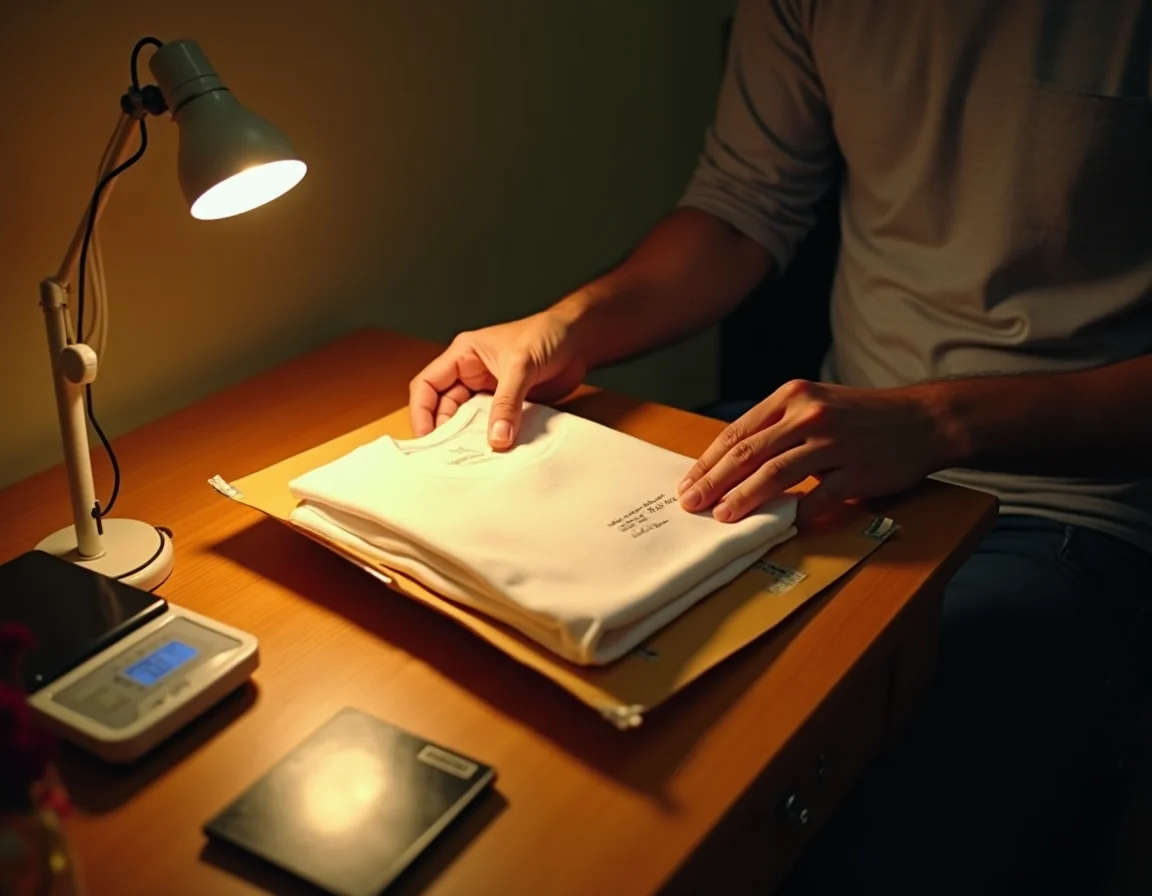
Print businesses — especially those running DTG and DTF machines — need blank t-shirts that meet very specific standards. Here is what actually matters:
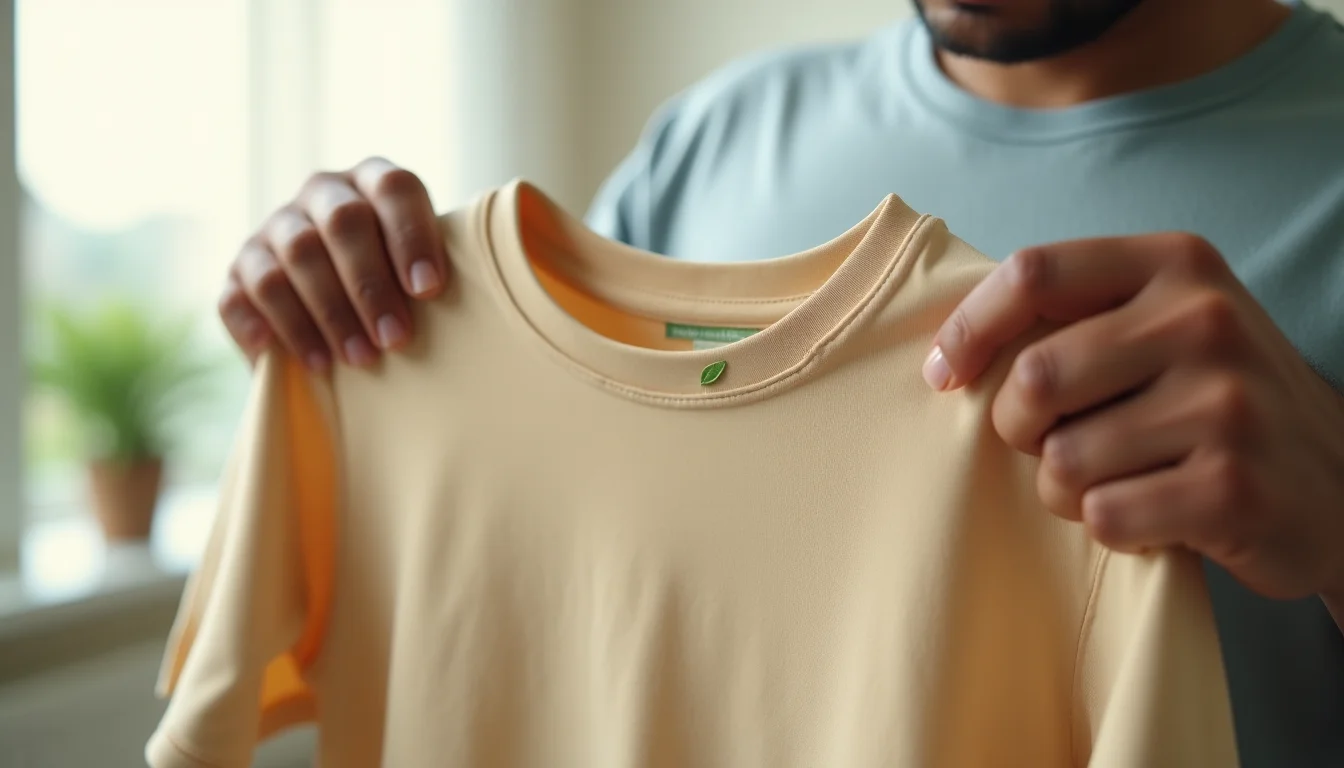
- 100% Ring-Spun Combed Cotton: Smoother yarn surface means better ink adhesion and cleaner print output.
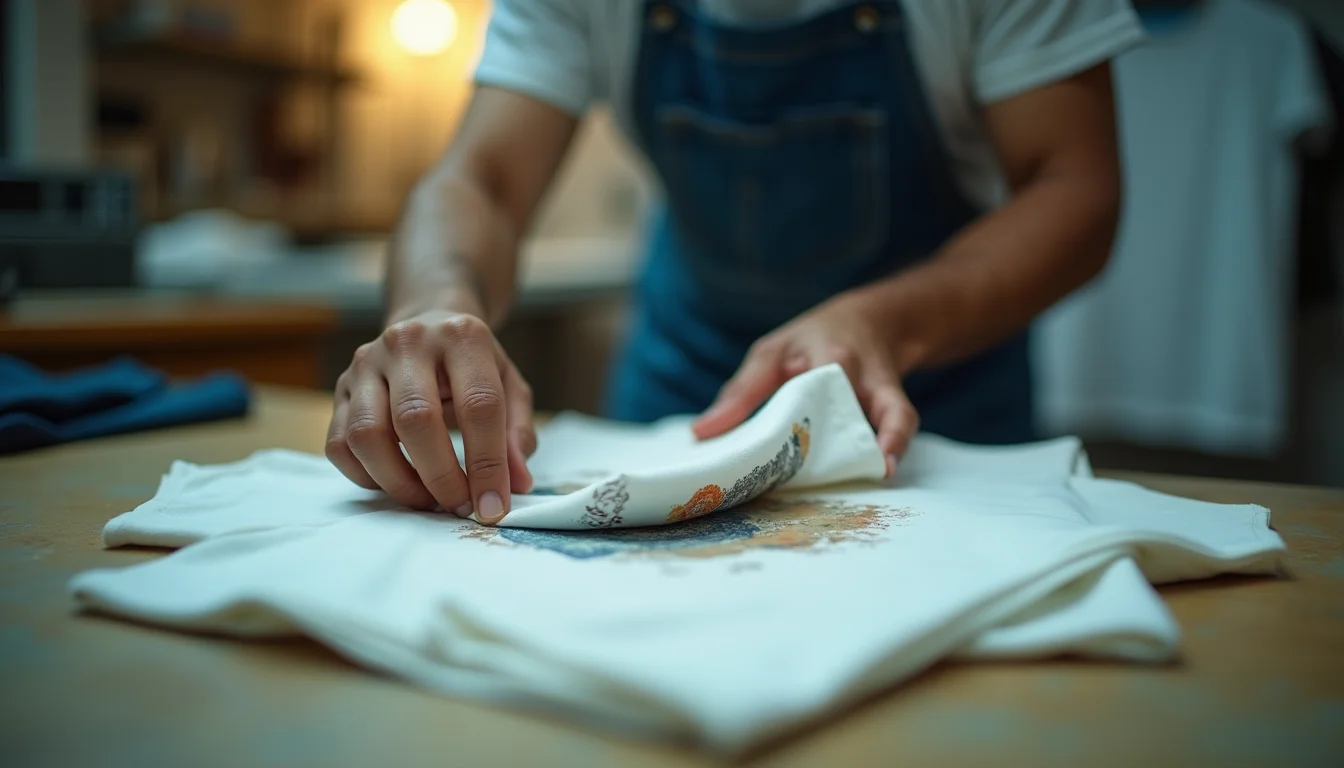
- Bio-Washing (Enzyme Treatment): Removes excess fibres, giving the shirt a soft, print-ready surface. Untreated fabric causes ink to sit unevenly.
- Pre-Shrunk Fabric: Standard cotton shrinks 5–8% after the first wash. Pre-shrunk fabric eliminates this, protecting the printer's sizing accuracy.
- GSM Consistency: A 200 GSM shirt should weigh 200 GSM — not 185 in one batch and 210 in the next. Printers calibrate their machines to fabric weight.
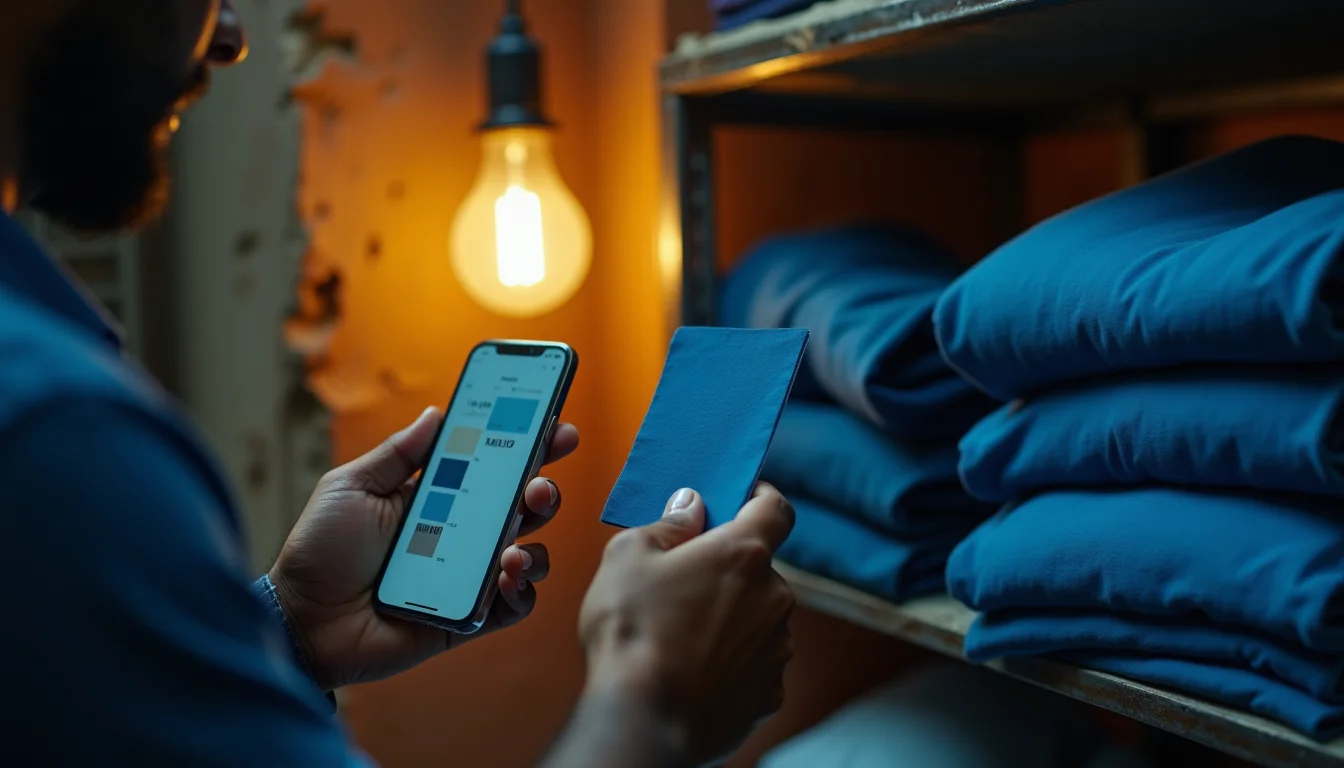
- Color Fastness: Especially critical for light-coloured shirts going into DTG printing — any bleeding ruins the print.
By obsessing over these five factors from the very beginning, the product naturally retained customers. And in the B2B plain t-shirt world, retention is the only marketing that compounds.
If you are just entering this business, be careful about the common t-shirt business mistakes that trip up new operators — from wrong GSM selection to ignoring pre-shrink specifications.
2017–2019: The Slow Grind (And Why Slow Was Right)
First six months: ₹40,000 total sales. People in the industry laughed. "T-shirt ka margin hi kya hai? Isme kya kamaoge?" (What margin is there in t-shirts? What will you earn?)
They were not entirely wrong. Plain t-shirt wholesale is a low-margin, high-volume game. You do not get rich on one order. You get rich on the 50th repeat order from the same customer — because you have zero customer acquisition cost by then.
By 2018, the DM strategy started converting better. Not because the pitch improved dramatically, but because some of the early customers started telling other printers about the quality. No formal referral programme. No discount for referrals. Just organic word-of-mouth from satisfied print businesses who found a blank supplier they could actually trust.
By end of 2019, monthly revenue had reached ₹1.5 lakh. Still modest. But the customer base was growing, the repeat rate was strong, and — critically — there was still zero ad spend.
2020–2022: Surviving Disruption, Building Infrastructure
The pandemic years were brutal for most apparel businesses. Supply chains broke. Logistics stopped. Customer budgets froze. But there was an unexpected upside: the businesses that survived 2020–21 emerged with serious loyalty to their suppliers.
The printers who had good blank t-shirt suppliers stuck with them through the disruption. Those who had unreliable traders scrambled and often switched. This period accelerated the shift from trader-model to manufacturer-model in the blank t-shirt space.
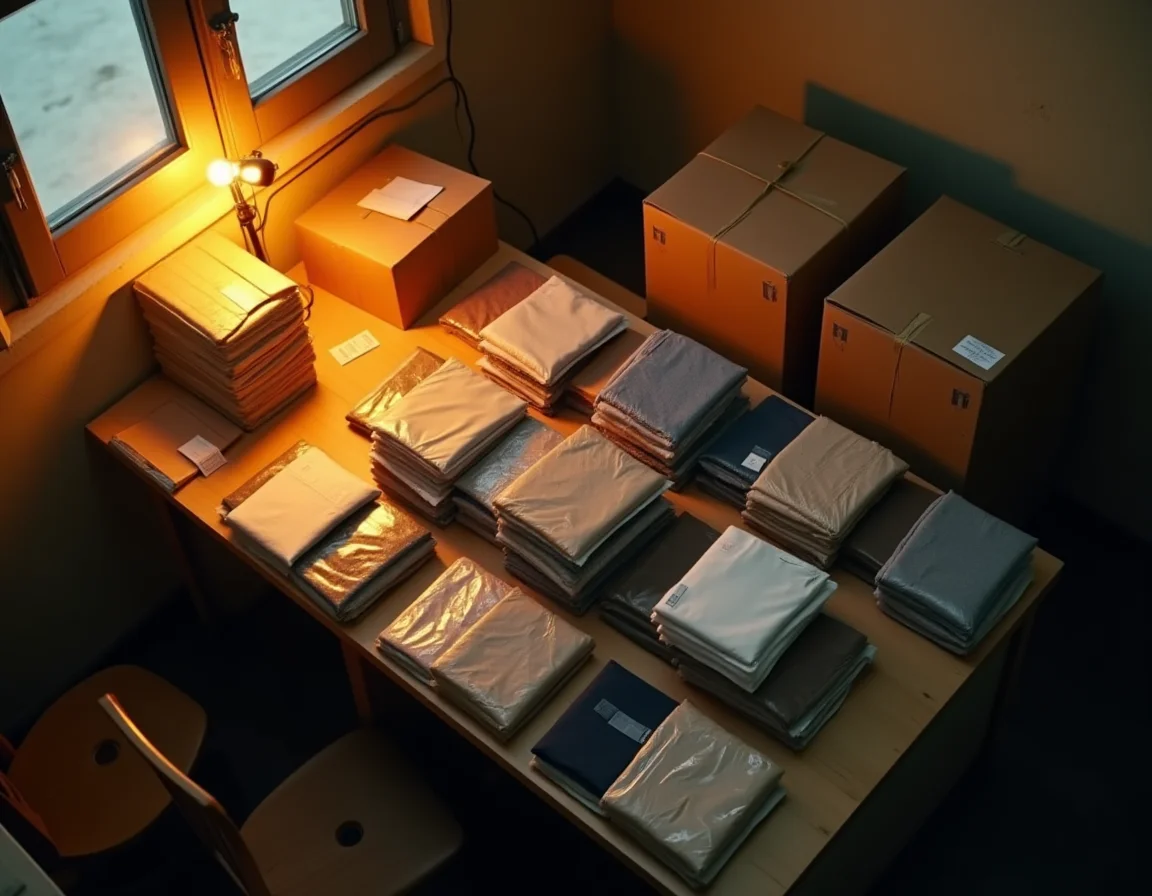
With manufacturing in Tiruppur and a warehouse set up in Khanpur, South Delhi — serving North India's large printing cluster — the infrastructure was getting serious. 1 lakh+ pieces in ready stock at any given time meant printers could get same-week delivery without waiting for custom production runs.
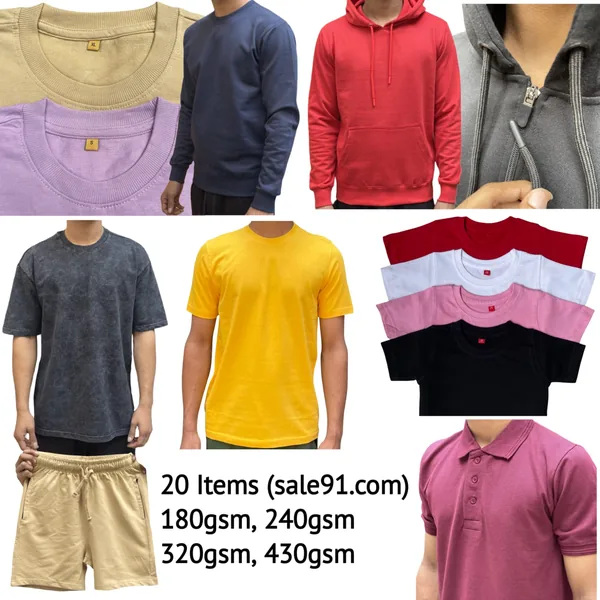
During this time, the product range also expanded beyond basic round neck t-shirts (available in 180, 200, 210, and 220 GSM) to include oversized t-shirts, polo t-shirts, hoodies, sweatshirts, and acid wash variants — all driven by what printing customers were actually asking for.
For printers evaluating which printing method suits which fabric weight, understanding the cost differences between DTF, screen, and DTG at a ₹100/pc budget is a practical starting point.
2023–2026: Word of Mouth Crosses ₹10 Lakh Monthly
By 2023, something changed. The word-of-mouth that had been a quiet undercurrent became a consistent inbound channel. Print businesses were actively recommending the supplier to peers. Custom printing WhatsApp groups — there are thousands of them across India — started generating inbound inquiries.
Monthly revenue crossed ₹10 lakh. Still with zero paid advertising.
What drove this inflection point? A few converging factors:
- Scale of satisfied customers: After 5+ years, hundreds of printing businesses had experienced the quality consistency firsthand. Each became a micro-ambassador.
- The rise of DTF printing in India: DTF (Direct-to-Film) technology exploded in 2022–23, bringing thousands of new print entrepreneurs into the market — all needing reliable blank t-shirt suppliers.
- Competitive pricing structure: ₹3/pc online purchase discount for any quantity, ₹2/pc additional discount on 500+ piece orders, and 50% COD option for first-time buyers — these terms reduced the friction of switching from an existing supplier.
- Low MOQ of 10 pieces: New printing businesses could trial the product without committing to large orders. This seeded the repeat cycle early.
Today, Sale91.com processes 1,25,232+ pieces in a 30-day period — a number that would have seemed impossible from that 2017 hostel room.
What ₹0 Marketing Actually Means (And What It Demands)
Zero marketing budget does not mean zero effort. It means redirecting that effort from advertising to product and service quality. Here is the real equation:
What You Save On
- Meta/Google ad spend
- Influencer marketing fees
- Content creation agencies
- SEO consultants (in the early stages)
What You Must Invest In Instead
- Fabric quality consistency — this is your marketing. Every shirt is an impression.
- Reliable dispatch timelines — printers run production schedules. Late delivery destroys trust faster than bad quality.
- Responsive communication — B2B buyers need answers fast. Being accessible on WhatsApp/call converts undecided buyers.
- Transparent pricing — no hidden charges, no surprise deductions. Trust compounds over time.
- Sample willingness — letting new buyers experience the product before committing is the most powerful sales tool in physical goods.
"Your product is your best marketing tool. If it is good enough, customers will sell it for you — to every printer in their city."
Lessons for Anyone Starting a T-Shirt Business Today
1. Understand GSM Before You Source
GSM (Grams per Square Metre) is the single most misunderstood factor in blank t-shirt sourcing. 180 GSM is suitable for everyday casual wear. 200 GSM is the sweet spot for premium custom printing — good hand feel, good print surface. 220 GSM is for heavy-premium streetwear and branded merchandise. Buying the wrong GSM for your target customer is one of the mistakes that shut businesses down in two months — yes, really.
2. Never Start With a Huge Inventory
New entrants often make the mistake of buying 1,000+ pieces in bulk to get a better per-piece price — then find the quality, colour, or fit is wrong for their market. With MOQ as low as 10 pieces at Sale91.com, there is no reason to over-commit early. Test first, scale later.
3. Build Relationships, Not Transactions
In B2B wholesale, the relationship outlasts any single order. A print business that trusts you will not switch supplier for ₹1–2/piece savings. Invest in after-order follow-up, quality feedback loops, and being genuinely helpful when problems arise.
4. Think About the Printer's End Customer
Your buyer is a printer. Their buyer is a brand, a startup, an event organiser. If the end customer complains about shrinkage or fading after three washes, the printer blames the blank supplier. Pre-shrunk, bio-washed, ring-spun combed cotton protects the printer's reputation — and that is why they keep coming back.
5. Export Is a Natural Next Step
India's Tiruppur-manufactured t-shirts are price-competitive globally. Once domestic operations are stable, exporting via courier or sea freight to markets in Southeast Asia, the Middle East, Europe, or the Americas is a logical scale-up path. The same quality standards that win domestic customers win international ones.
The Product Range That Made This Growth Possible
Growth to ₹10 lakh/month was not built on a single product. The range expansion was critical. Here is what the current catalog covers:
- Plain Round Neck T-Shirts: 180, 200, 210, 220 GSM — available in 15+ colors, 100% ring-spun combed cotton, bio-washed, pre-shrunk
- Oversized T-Shirts: The fastest-growing segment — boxy fits for streetwear and custom print brands
- Plain Polo T-Shirts: Corporate gifting and uniform segment demand
- Hoodies & Sweatshirts: 240, 320, and 430 GSM — for premium brand merchandise and winter collections
- Acid Wash T-Shirts: Both regular and oversized — for fashion-forward print businesses and D2C brands
You can browse the full catalog at BulkPlainTshirt.com/catalog/ and place orders directly at Sale91.com.
Watch the Video
This YouTube Short captures the essence of the full journey — 2017 to 2026 — in under 60 seconds. Watch it below:
Frequently Asked Questions
More Articles
Ready to Start or Scale Your T-Shirt Business?
Get print-ready blank t-shirts — 100% ring-spun combed cotton, bio-washed, pre-shrunk — direct from the manufacturer. MOQ just 10 pieces. 50% COD available for first-time buyers.
1,25,232+ pieces shipped in the last 30 days. Join India's growing community of print businesses who print on quality they can trust.
Order Now at Sale91.com →