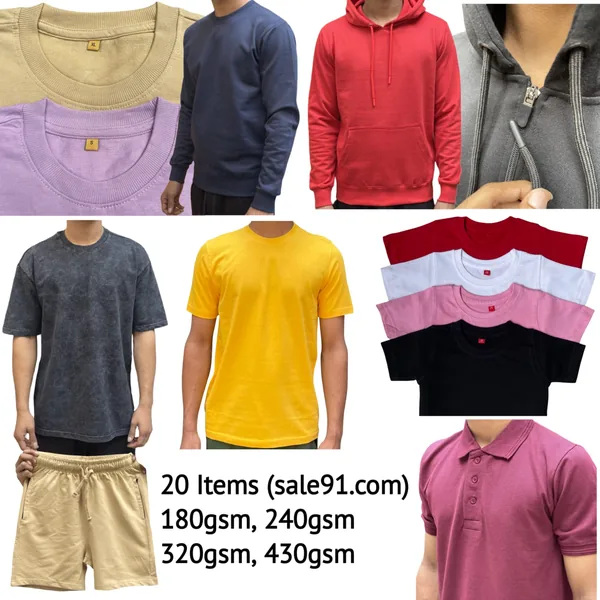
Wholesale Blanks Catalog: Must-Have Blank Apparel Categories to Stock for Your Printing & Reselling Business
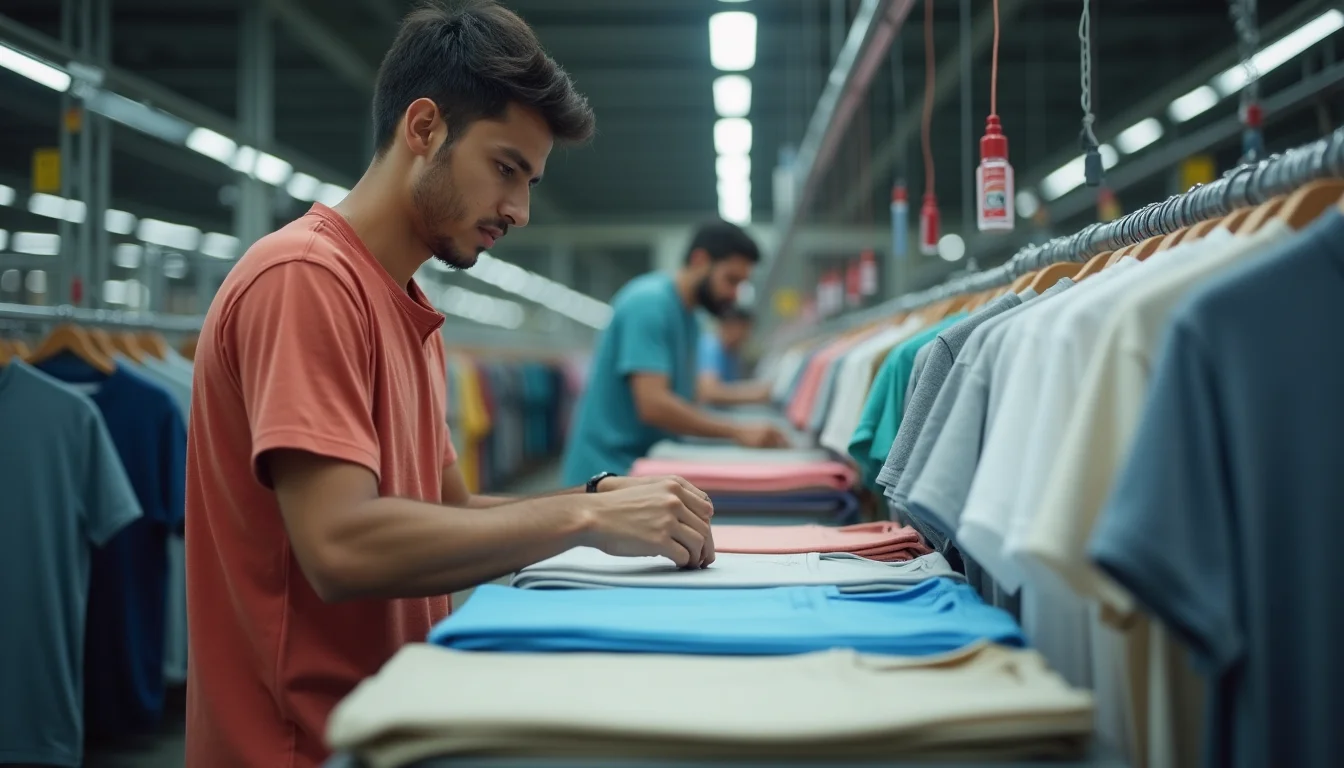
If you run a custom printing business — DTG, DTF, screen printing, or heat transfer — your product quality is only as good as the blanks you start with. Yet most new printers and resellers make the same mistake: they stock one or two types of t-shirts and then scramble when a client asks for a polo, an oversized drop-shoulder, or a heavyweight hoodie. The result? Lost orders, unhappy customers, and missed revenue.
This comprehensive wholesale blanks catalog is written for Indian B2B buyers — custom printers, merchandise brands, resellers, and exporters — who want to build a well-rounded blank apparel inventory that covers every major category. We will walk you through each category, why it sells, what GSM to choose, and how to source it smartly direct from a manufacturer's warehouse rather than paying trader markups.
Why Building a Multi-Category Blank Apparel Inventory Matters
The Indian custom apparel market has grown dramatically since 2020. Corporate gifting, college merchandise, startup brand kits, festival drops, athleisure collections, and wedding party tees — each segment has different blank requirements. A DTG printer who only stocks plain white 180 GSM tees is essentially turning away 60–70% of potential orders every month.
Beyond variety, the right blank determines print quality. A 180 GSM tee will give different DTG output than a 220 GSM combed cotton shirt. The weave density, bio-wash treatment, and pre-shrunk status all matter enormously. Before you panic about costly fabric mistakes that can ruin hundreds of pieces, understand your categories first — then buy strategically.
The categories below represent the must-stock core inventory for any serious printing or reselling business in 2025–2026. Let us go through each one.
1. Plain Round Neck T-Shirts (180–220 GSM) — The Foundation of Every Blank Inventory
Why They Always Sell
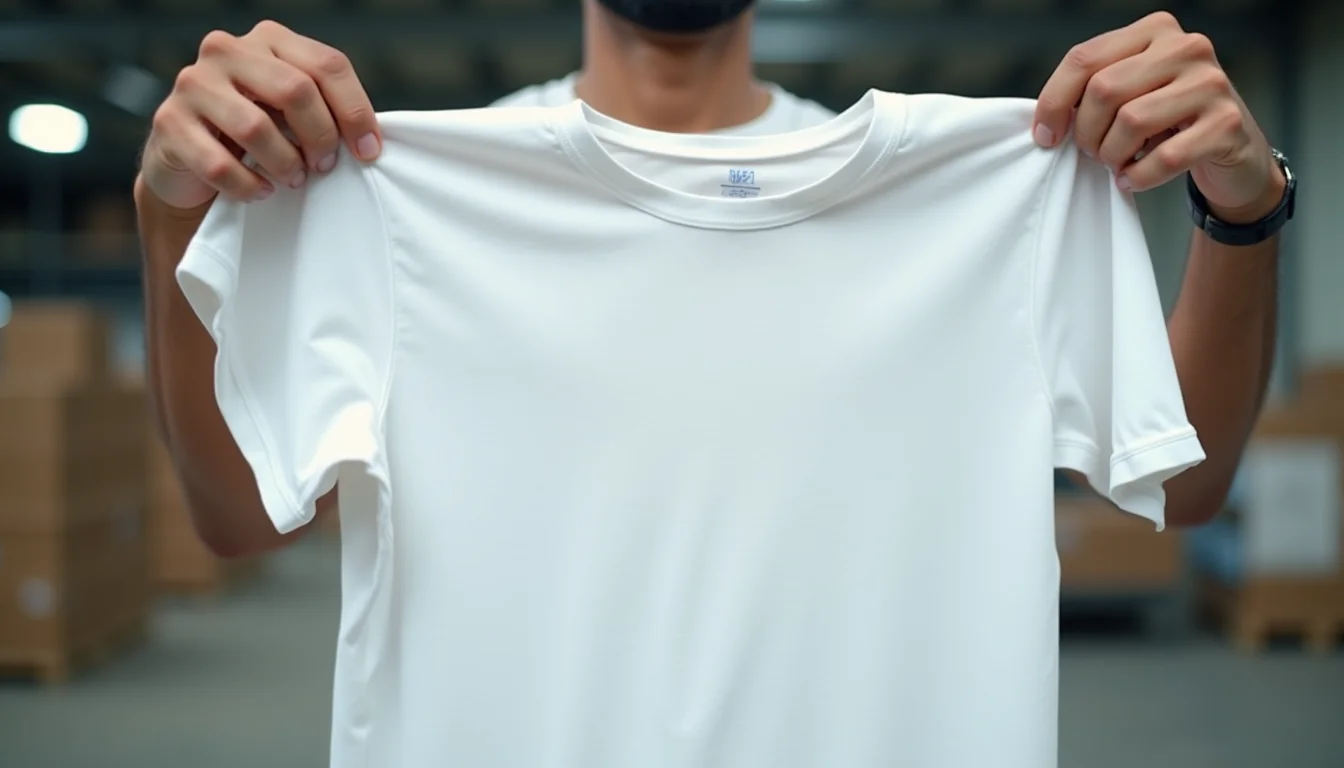
Plain round neck t-shirts are the bread and butter of every custom printing business. They are the single most printed garment in India — used for college fests, corporate events, NGO campaigns, e-commerce brand launches, and everything in between. If you run out of these, you essentially have no business that week.
GSM Breakdown: Which Weight to Stock?
| GSM | Best For | Feel & Drape | Print Suitability |
|---|---|---|---|
| 180 GSM | Everyday wear, summer, budget orders | Light, breathable | Good for screen print & DTF |
| 200 GSM | Premium casual, brand merchandise | Medium weight, structured | Excellent for all print methods |
| 210 GSM | Mid-premium retail, export quality | Slightly heavier, good body | Very good for DTG & screen print |
| 220 GSM | Heavy premium, winter casual | Thick, opaque, premium feel | Best ink absorption for DTG |
All four GSM variants should ideally be in your stock. However, if you are just starting out, stock 180 GSM and 200 GSM first — they cover 80% of orders. The 220 GSM is worth stocking for premium brand clients who are willing to pay more per piece.
Key specs to look for: 100% ring-spun combed cotton, bio-washed (enzyme-treated for smoothness and reduced shrinkage), pre-shrunk, available in at least 15 colours. You can browse the full range at the BulkPlainTshirt.com product catalog.
2. Oversized T-Shirts & Drop-Shoulder Blanks — The Streetwear Goldmine
The Demand Surge You Cannot Ignore
Oversized and drop-shoulder t-shirts have moved from a trend to a permanent fixture in Indian fashion. Young consumers aged 18–28 almost exclusively prefer this silhouette. Instagram drops, Bollywood merch, anime fan stores, and streetwear labels all rely on oversized blanks as their primary canvas.
For printing businesses, oversized tees command a significantly higher selling price than regular-fit shirts, often 40–60% more per piece, while your blank cost increase is much smaller. This means healthier margins for the same print job.
What GSM Works Best for Oversized Tees?
The ideal GSM for oversized blanks is 200–220 GSM. Too light (below 180 GSM) and the fabric looks sheer and flimsy in the dropped-shoulder silhouette. The heavier weight gives the garment a proper "hang" and structure. Look for oversized tees with slightly elongated body length, wider shoulders, and boxy fit — these are what the market currently demands.
3. Plain Polo T-Shirts — Corporate & Premium Segment Blanks
A Category Most Printers Understock
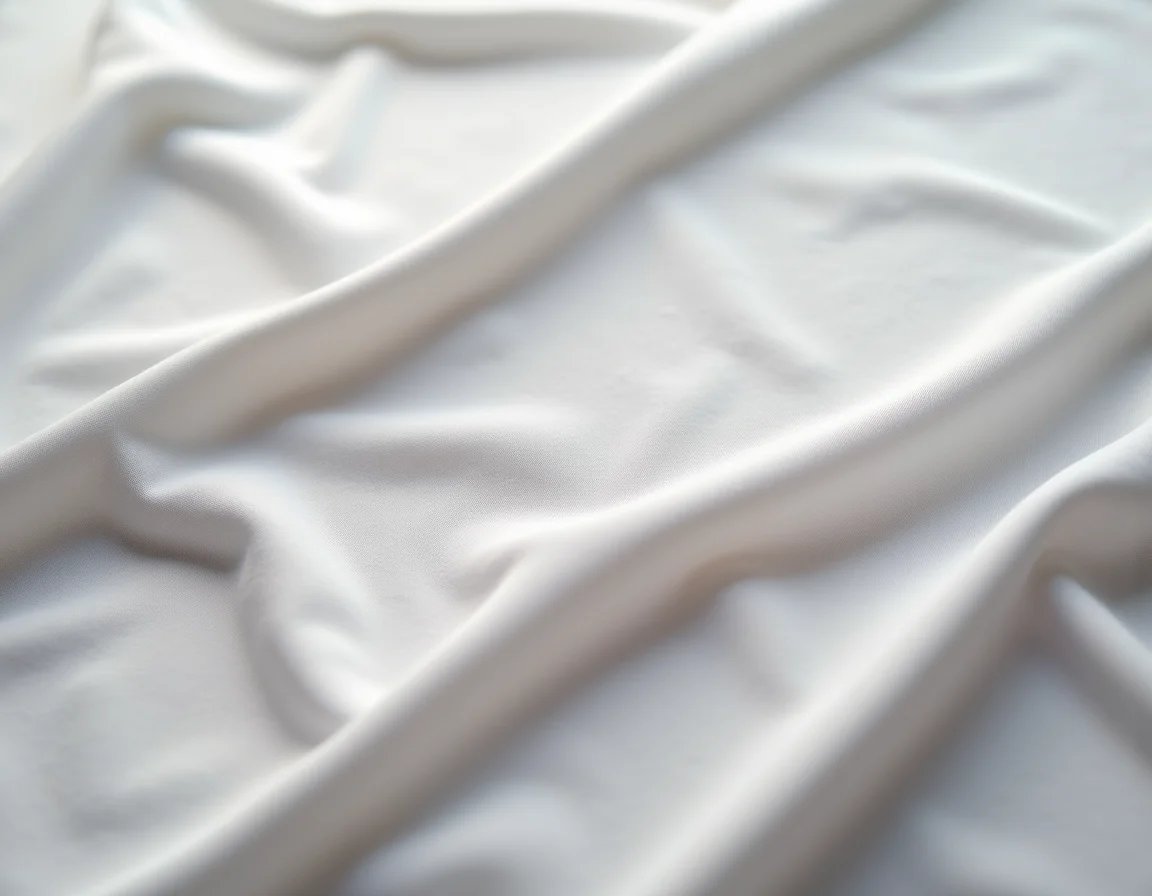
Here is a segment that many small printing businesses completely ignore: polo t-shirts. And that is a mistake. Corporate offices, schools, uniform suppliers, hospitality companies, and sports teams all regularly order printed or embroidered polos in bulk. A single corporate uniform order of 500+ polo shirts can be worth several times your monthly tee revenue.
Polo blanks require specific features: a clean pique knit fabric, reinforced collar, 2–3 button placket, and ideally bio-washed finish for softness. GSM for polos typically runs between 200–220 GSM. Stocking even 200–300 pieces in 3–4 corporate-friendly colours (white, navy, black, grey) can make you the go-to supplier for local corporate accounts.
Printing on Polo Blanks
Screen printing on the chest and embroidery on the left chest pocket area are the most common polo customisation methods. DTG printing on polo pique fabric requires a flatter surface — most printers use a heat platen to flatten the pique texture before printing. DTF transfers work particularly well on polos without any pre-treatment.
4. Plain Hoodies & Sweatshirts (240–430 GSM) — The Premium Winter Inventory
Why GSM Selection is Critical for Hoodies
Hoodies and sweatshirts are where GSM selection becomes absolutely critical — and where many buyers go wrong. A 240 GSM hoodie feels like a light sweatshirt, suitable for mild winters or AC environments. A 320 GSM hoodie is the standard mid-weight winter staple. But if you are targeting North India (Delhi, Punjab, Rajasthan) during peak winter, the 430 GSM heavyweight blanks are what your customers actually want — and will pay premium for.
| GSM | Category | Best Market | Season |
|---|---|---|---|
| 240 GSM | Light sweatshirt / hoodie | South India, AC offices | All-year, mild winters |
| 320 GSM | Standard hoodie / heavy sweatshirt | PAN India, e-commerce brands | Winter, Oct–Feb |
| 430 GSM | Heavyweight hoodie (premium) | North India, export, premium brands | Peak winter, Dec–Jan |
For printing on hoodies, DTF transfers are the most popular method because they handle the thick fabric and seams well. Screen printing is excellent for front chest designs but requires a flat press. DTG can work on 100% cotton fleece hoodies but needs proper pre-treatment. Always use pre-shrunk hoodie blanks — fleece fabric can shrink 5–8% if not pre-treated, which will ruin embroidered or printed logos.
5. Acid Wash T-Shirts — The Value-Added Category That Doubles Your Margin
What Makes Acid Wash Blanks Special
Acid wash (also called tie-dye bleach wash or vintage wash) t-shirts are a unique segment: they are already value-added blanks that sell at a premium without even needing a print. Many resellers stock acid wash tees and sell them as-is, making healthy margins. For printers, acid wash blanks combined with a DTF print or puff print create extremely high-value, premium-looking products that justify selling prices of ₹500–₹1,200 per piece retail.
Acid wash blanks come in both regular fit and oversized silhouettes. The oversized acid wash is currently one of the highest-demand segments on Indian fashion e-commerce platforms. Stock a mix of regular and oversized acid wash in dark base colours — black and navy acid wash sell the fastest.
Printing Considerations for Acid Wash Blanks
Because acid wash fabric has an uneven, variegated surface, DTG printing requires careful pre-treatment — the surface irregularity can cause inconsistent ink absorption. DTF heat transfers and screen printing (with discharge inks) work best. Always print a sample before committing to bulk acid wash orders with complex artwork.
6. Joggers & Athleisure Blanks — The Growing Segment
Why Joggers Belong in Your Catalog
The athleisure segment has exploded post-2020, and plain joggers are a natural extension of any blank apparel catalog. Gyms, yoga studios, sports teams, and athleisure brands all need matching plain joggers to pair with their printed tees. If you can supply both the tee and the jogger, you instantly double the order value from the same client.
Plain joggers for printing/reselling should be 100% cotton or a cotton-fleece blend (240–320 GSM), with an elastic waistband and drawstring, tapered fit, and side pockets. The most printable area on joggers is the left thigh or the waistband area. DTF transfers work perfectly for thigh prints. For joggers going into gym kits, sublimation printing on polyester-blend joggers is also popular.
7. Kids Wear Blanks — A Frequently Overlooked Revenue Stream
The Kids Blank Market in India
School events, birthday party tees, kids' brand merchandise, and summer camp apparel all create consistent demand for plain kids' tees in small sizes. Many printing businesses lose these orders because they do not stock kids' blank tees. Yet the printing setup is identical — just a smaller platen — and the margins are often better because parents are willing to pay more per piece for their children's custom apparel.
For kids wear blanks, GSM should be kept at 160–180 GSM for comfort and breathability. Fabric must be bio-washed and hypoallergenic — parents are very particular about fabric softness for children. Sizes typically range from 2 years to 12 years (XS to L in kids sizing). Stock basic colours: white, red, royal blue, black, and yellow are the most ordered for kids' events.
8. Fabric Quality Standards: What Every Blank Must Have
Ring-Spun Combed Cotton — Non-Negotiable
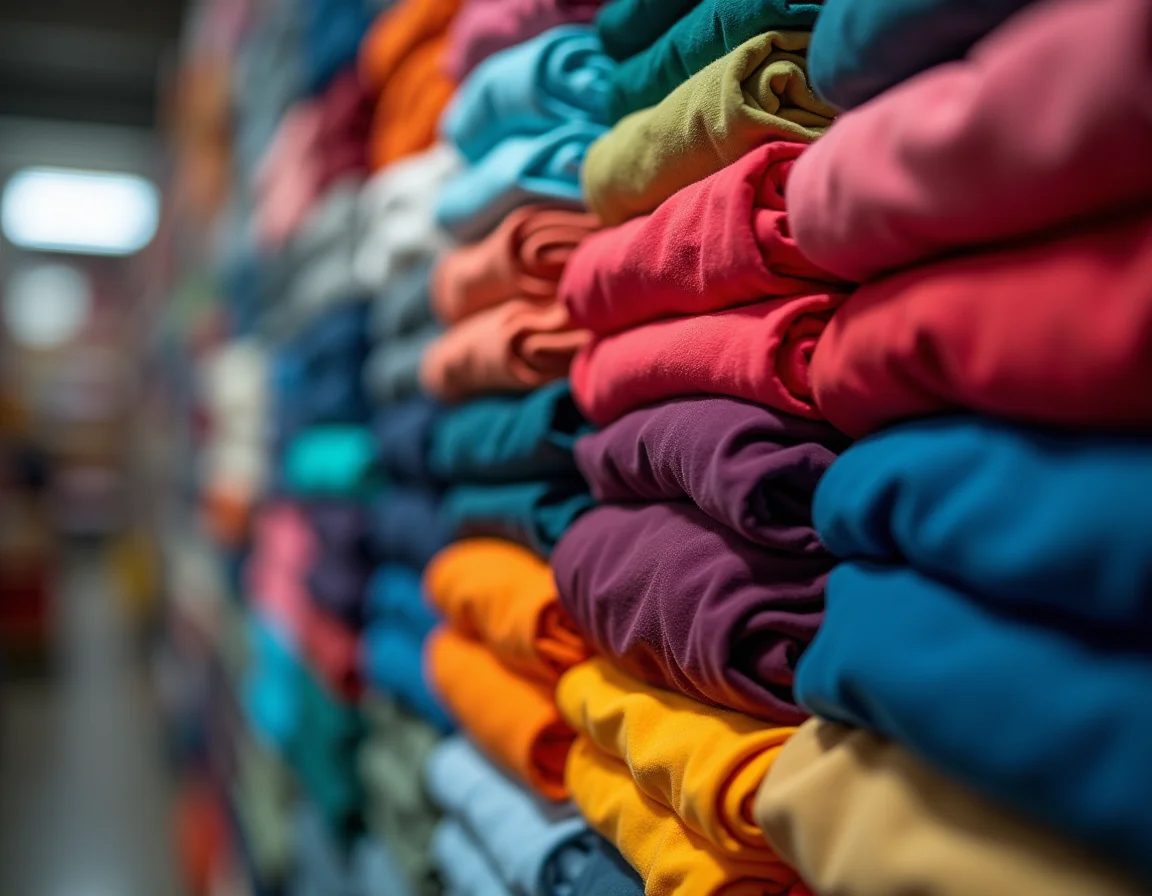
Not all cotton is created equal. Open-end spun cotton (the cheaper kind) has a rougher, more uneven surface that creates problems for DTG and DTF printing — ink bleeding, uneven absorption, and poor colour vibrancy. Ring-spun combed cotton, on the other hand, has longer, aligned fibres that create a smoother, denser weave. This translates directly to sharper prints, better colour pop, and a premium feel that your customers notice.
Always verify that your blanks supplier uses ring-spun combed cotton yarn — not just "100% cotton," which can still be open-end spun. Many buyers have learned this the hard way after receiving a bulk order that looked fine but printed terribly. If you are unsure whether to stock 100% cotton or a blend for your specific print method, understand the nuances of cotton versus blended fabrics for DTG printing before placing a large order.
Bio-Washed: Why It Matters for Printing
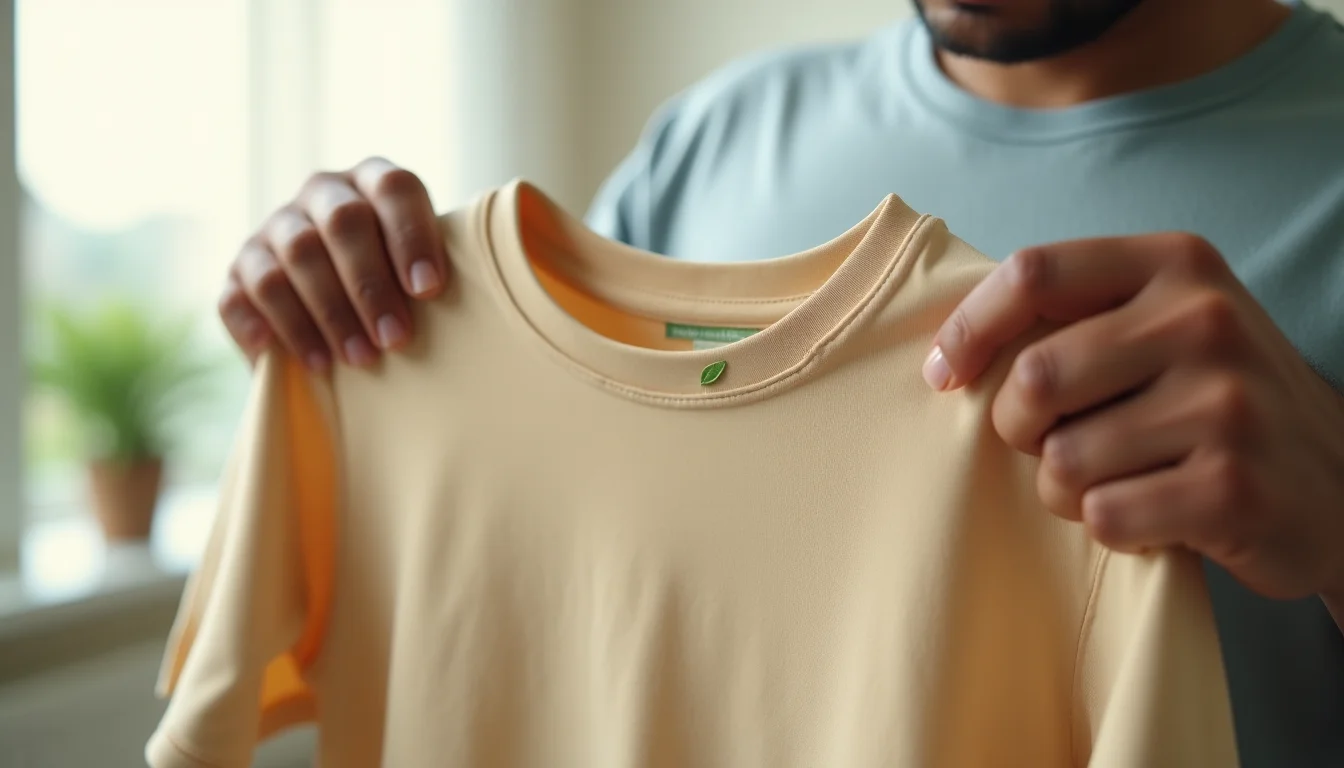
Bio-washing is an enzyme treatment applied during fabric finishing that removes protruding fibres, softens the hand feel, and reduces the tendency for pilling. For printing businesses, bio-washed blanks offer two key advantages: first, the smoother surface means DTG and DTF inks sit more evenly on the fabric; second, bio-washed garments retain colour better through repeated washes, which means your printed designs look good for longer. Always ask for bio-washed certified blanks — not all manufacturers offer this as standard.
Pre-Shrunk — The Non-Negotiable Quality Check
Pre-shrunk blanks have been subjected to controlled shrinkage during finishing so that the garment does not change significantly in size after the customer's first wash. For printers, this matters enormously: a non-pre-shrunk blank that shrinks 4–5% after washing will make your printed design look distorted and misaligned. Always source pre-shrunk blanks, especially for garments that will be sold with permanent prints.
9. Colour Availability — Stocking the Right Palette
Many printing businesses focus entirely on white tees, since most DTG and DTF print instructions assume a white base. However, limiting yourself to white cuts you off from a huge segment of the market — fashion brands, sports teams, and corporate clients who specifically want dark or coloured base garments.
A well-stocked blank inventory should include at minimum: white, off-white/cream, black, navy blue, royal blue, grey (melange and solid), maroon, olive green, and at least 3–4 seasonal fashion colours. Having 15+ colours available in your core tee range means you can say "yes" to almost every client request.
10. MOQ, Pricing & Sourcing Strategy — Buying Smart from the Warehouse
Minimum Order Quantities for Blanks
One of the biggest advantages of sourcing from a manufacturer like Sale91.com is the low MOQ for ready stock items — as low as 10 pieces for standard styles. This means you can test a new category (say, acid wash oversized) with a small trial order before committing to a large stock purchase. For new businesses, this flexibility is invaluable.
Pricing Tiers and Discounts
- Orders of 500+ pieces: ₹2/piece additional discount automatically applied
- Online purchase via Sale91.com: ₹3/piece discount for any quantity
- First order COD: 50% cash on delivery available (+ 3% COD charge)
- From second order onwards: prepaid payment required
Why Source Direct from the Manufacturer?
Buying from traders and resellers means you pay 2–3 layers of markup on top of the actual manufacturing cost. When you source directly from a Tiruppur-based manufacturer with their own knitting infrastructure, you are buying at the closest-to-factory price possible. Sale91.com knits its own fabric in-house — they are not trading someone else's product. This means consistent quality batch after batch, because the same yarn, the same knitting machines, and the same finishing process are used every time.
With a warehouse in Khanpur, South Delhi, delivery timelines to NCR and North India are significantly faster than ordering directly from Tiruppur. For PAN India delivery and international export orders, shipments go by courier or sea transport depending on volume.
11. Building Your Blank Apparel Inventory: A Practical Checklist
Here is a practical starter inventory checklist for a printing business doing 200–500 custom orders per month:
- Plain Round Neck Tees 180 GSM — 200 pcs minimum, 5 colours (white, black, navy, grey, maroon)
- Plain Round Neck Tees 200 GSM — 150 pcs, 6–8 colours
- Plain Round Neck Tees 220 GSM — 100 pcs, 4 colours (white, black, navy, grey)
- Oversized Tees 200 GSM — 150 pcs, 5 colours (white, black, olive, maroon, cream)
- Polo T-Shirts 200 GSM — 100 pcs, 3 colours (white, navy, black)
- Hoodies 320 GSM — 80 pcs, 4 colours (black, grey, navy, maroon)
- Sweatshirts 240 GSM — 60 pcs, 3 colours
- Acid Wash Tees (Regular & Oversized) — 50 pcs mixed
- Kids Tees 180 GSM — 80 pcs, mixed sizes 2Y–12Y, 4 colours
This inventory of roughly 770–900 pieces covers all major client categories. At a per-piece cost from a direct manufacturer, this is an investment that pays back within 2–3 weeks for an active printing business.
Watch: How to Choose the Right Blank for Your Printing Business
Frequently Asked Questions
Ready to Stock the Right Blanks?
Browse India's most complete wholesale blank apparel catalog — plain tees, oversized, polos, hoodies, acid wash, and more. Direct from manufacturer. Low MOQ. Pan India delivery. Export available.
1,25,232+ pieces shipped last month. Your stock is waiting.
Order Now at Sale91.com →Browse Full Product Catalog →