₹2L vs ₹8L DTF Printer — One Died in 90 Days: The Real Difference You Need to Know
Investing in a DTF (Direct-to-Film) printer is one of the most crucial decisions for anyone running a custom t-shirt printing business. With DTF printing technology revolutionizing the textile printing industry in India, more entrepreneurs are jumping into this space every day. But here's where many make a costly mistake: choosing the wrong printer based solely on upfront cost.
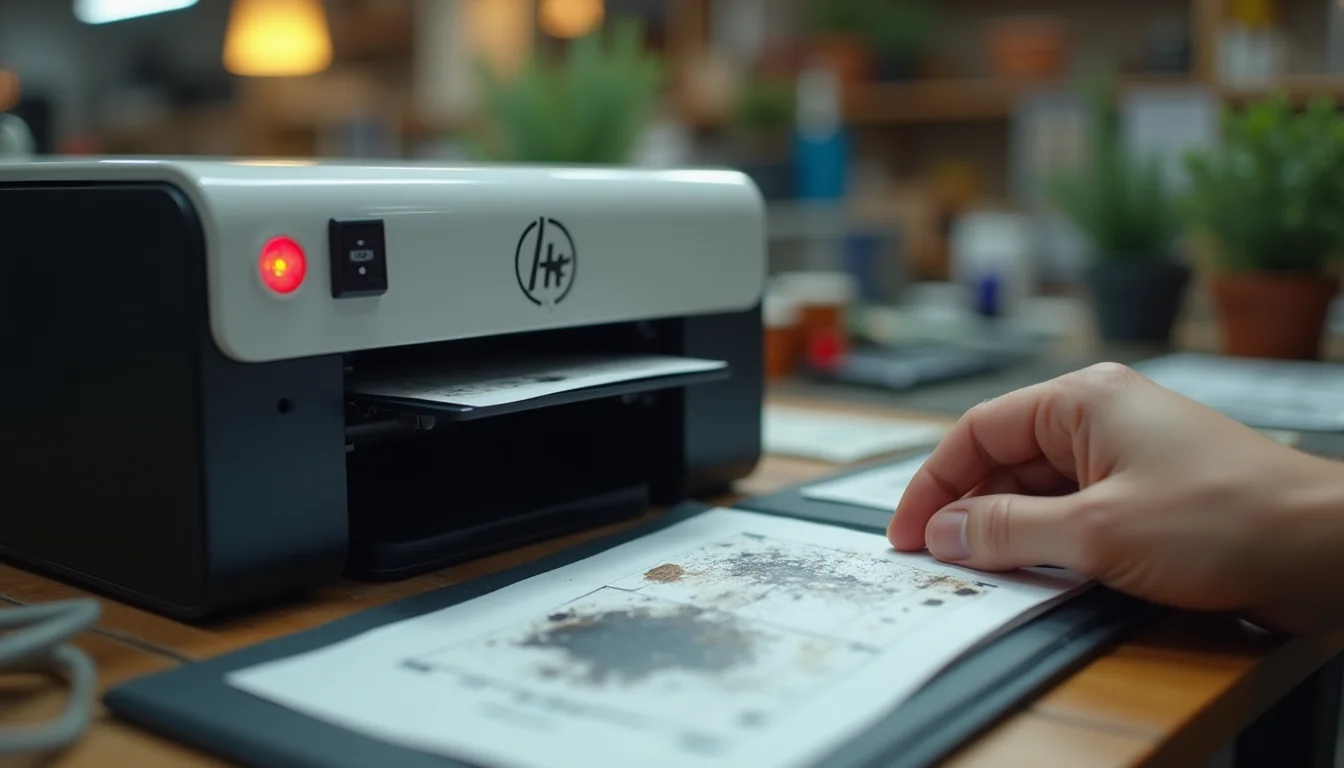
Recently, one of our customers shared a painful experience. He purchased a ₹2 lakh DTF printer to kickstart his printing business. Within just 90 days—three months—the print head failed completely, and his machine was sitting idle. The financial loss wasn't just the printer cost; it was the lost orders, unhappy customers, and damaged reputation. This story is more common than you'd think, and it all comes down to understanding what you're actually getting at different price points.
If you're running a custom printing business and need high-quality plain t-shirts for DTF printing, Sale91.com offers premium bio-washed, pre-shrunk blanks in multiple GSM options perfect for all printing techniques.
The Case Study: Why a ₹2 Lakh DTF Printer Failed in 90 Days
Let's dive deeper into this real case. The customer was producing 80-100 printed t-shirts daily. That's a decent volume for a growing business—not too small, not industrial-scale. For context, many small to medium printing businesses operate in this range when they're scaling up from 20-30 pieces to becoming more established.
The problem? His ₹2 lakh DTF printer simply wasn't designed for that workload. Here's what went wrong:
- Print Head Limitations: Budget DTF printers in the ₹2 lakh range typically come with a single i3200 print head or a modified Epson head. While these heads work fine for occasional use or low-volume production, they have a limited duty cycle.
- Duty Cycle Overload: When you push 80-100 pieces daily continuously, day after day, you're exceeding what these heads are rated for. Think of it like running a small 100cc motorcycle at maximum speed for hours daily—it'll break down much faster than it should.
- Heat and Wear: Continuous operation generates heat and causes faster wear on components that aren't built for industrial use.
- Maintenance Issues: Lower-end printers often require more frequent maintenance, and if you're running them hard, the maintenance needs multiply.
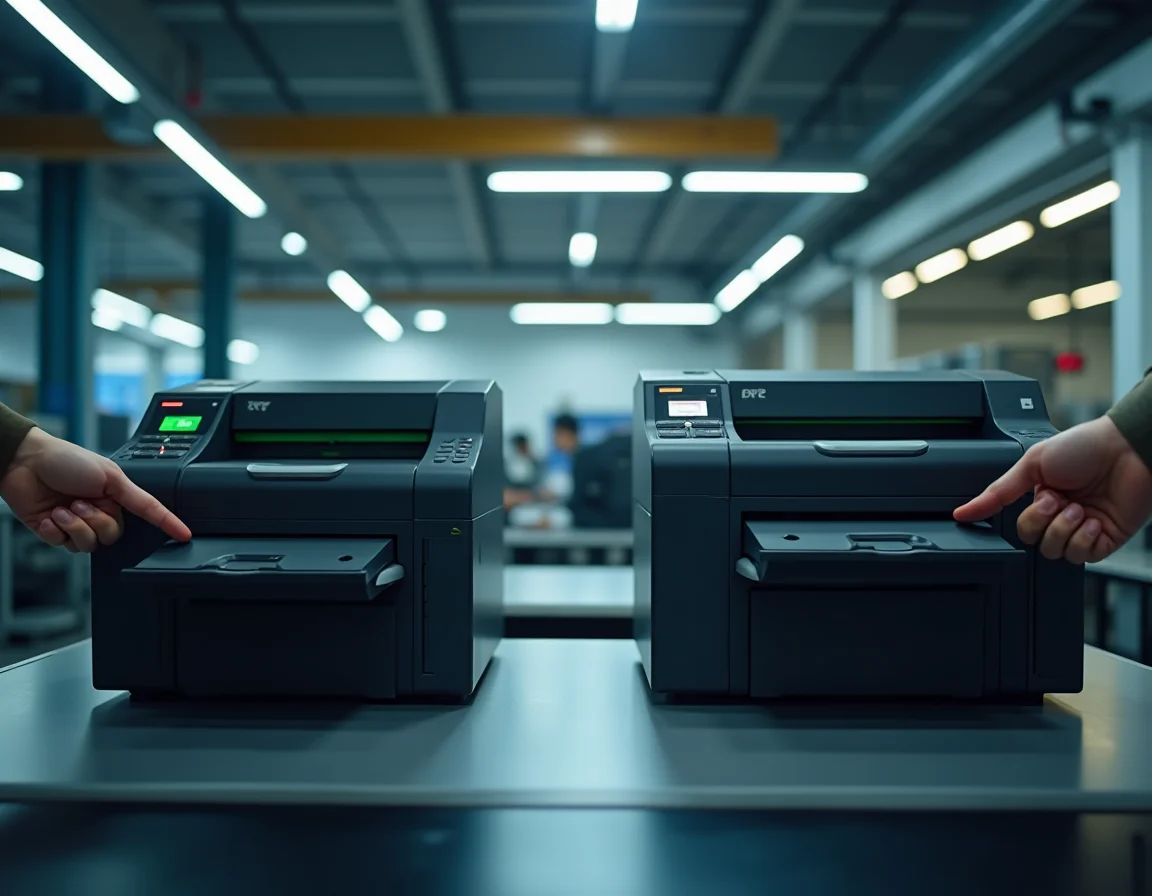
What Actually Differentiates a ₹2 Lakh DTF Printer from an ₹8 Lakh Model?
The price difference isn't arbitrary—it reflects fundamental differences in technology, components, and capabilities. Let's break down exactly what you get (or don't get) at each price point.
1. Print Head Technology and Configuration
₹2 Lakh Range:
- Single i3200 head or modified Epson head
- Lower print speed (typically 3-5 square meters per hour)
- Limited duty cycle—suitable for 30-40 pieces daily max
- More prone to clogging with continuous use
₹8 Lakh Range:
- Dual print heads (often dual i3200 or better)
- Print speed doubles (8-12 square meters per hour or more)
- Higher duty cycle—can handle 100-200+ pieces daily
- Better redundancy (if one head has issues, you can continue with the other)
2. Ink Circulation System
This is a critical difference that many first-time buyers overlook. The ink circulation system determines how smoothly ink flows through the printer and whether clogging becomes a constant headache.
Budget Printers (₹2 Lakh): Basic ink delivery systems with minimal circulation. Ink can settle and cause clogging, especially if the printer sits idle for even a day or two. You'll spend considerable time on maintenance and head cleaning.
Premium Printers (₹8 Lakh): Proper ink circulation systems that keep ink moving even during idle periods. This dramatically reduces clogging issues. The system often includes automatic cleaning cycles and better filtration, meaning you spend less time on maintenance and more time printing.
3. Powder Shaking and Application System
DTF printing requires applying adhesive powder to the printed film before curing. How this happens makes a huge difference in your workflow and print quality.
₹2 Lakh Printers: Most budget models require you to purchase and set up a separate powder shaking unit. This means:
- Additional investment (₹30,000-₹50,000 more)
- Manual transfer of prints between machines
- Inconsistent powder application leading to uneven adhesion
- More floor space required
- Slower overall production speed
₹8 Lakh Printers: Built-in powder shaking and application systems. Benefits include:
- Automated workflow from printing to powder application
- Uniform powder distribution for consistent results
- Faster production with less manual handling
- Better powder recovery systems (less waste)
- More professional finish on every print
4. Build Quality and Components
The overall construction quality differs significantly. Premium printers use better motors, more precise rails and guides, superior electronics, and more durable frames. This translates to:
- Better registration and alignment (prints land exactly where they should)
- Less vibration during high-speed printing
- Longer overall machine lifespan
- Fewer mechanical failures
How to Choose the Right DTF Printer Based on Your Production Needs
The decision isn't about which printer is "better" in absolute terms—it's about matching the right equipment to your specific business needs. Here's a practical framework:
Choose a ₹2 Lakh Range Printer If:
- Your daily production is consistently 30-40 pieces or less
- You're just starting out and testing the market
- You have flexibility in delivery timelines
- You're comfortable with regular maintenance
- Budget constraints are your primary concern
- You plan to upgrade within 1-2 years as you grow
Invest in a ₹8 Lakh Range Printer If:
- You need to produce 100+ pieces daily consistently
- You're scaling an existing business with established demand
- Time-to-market and fast turnarounds are competitive advantages
- You want minimal downtime and maintenance hassles
- Print quality consistency is critical for your brand
- You're building a long-term business (3-5+ year horizon)
The Middle Ground: ₹4-5 Lakh Range
Many manufacturers now offer mid-range options around ₹4-5 lakhs. These often feature:
- Single but better-quality print heads (like Epson i1600 or i3200-U1)
- Better ink circulation than budget models
- Some automation features
- Capacity for 60-80 pieces daily
This can be a sweet spot for businesses that have proven their concept and are in growth mode.
The Hidden Costs You Must Factor In
When comparing printer prices, don't just look at the machine cost. Calculate your total cost of ownership over 2-3 years:
Downtime Costs
If your printer breaks down during a busy period, you lose orders. A single week of downtime could mean ₹50,000-₹1,00,000 in lost revenue, plus damaged customer relationships. Premium printers have significantly less downtime.
Maintenance and Repair
Budget printers often require:
- More frequent head cleanings (ink cost + time)
- More replacement parts
- More technician visits
These costs add up quickly over a year.
Consumables Efficiency
Premium printers often have better ink efficiency and powder recovery systems. Over thousands of prints, this can save significant money.
Labor and Time
Automated features save labor hours. If you're doing 100 pieces daily, even saving 2 minutes per piece (through better automation) means 200 minutes—over 3 hours—saved daily.
Critical Testing Before You Buy
Regardless of which price range you choose, never purchase a DTF printer without thorough testing. Here's what you must do:
The Essential Pre-Purchase Testing Checklist:
- Get Physical Samples: Don't just watch demo videos. Get actual printed samples from the machines you're considering.
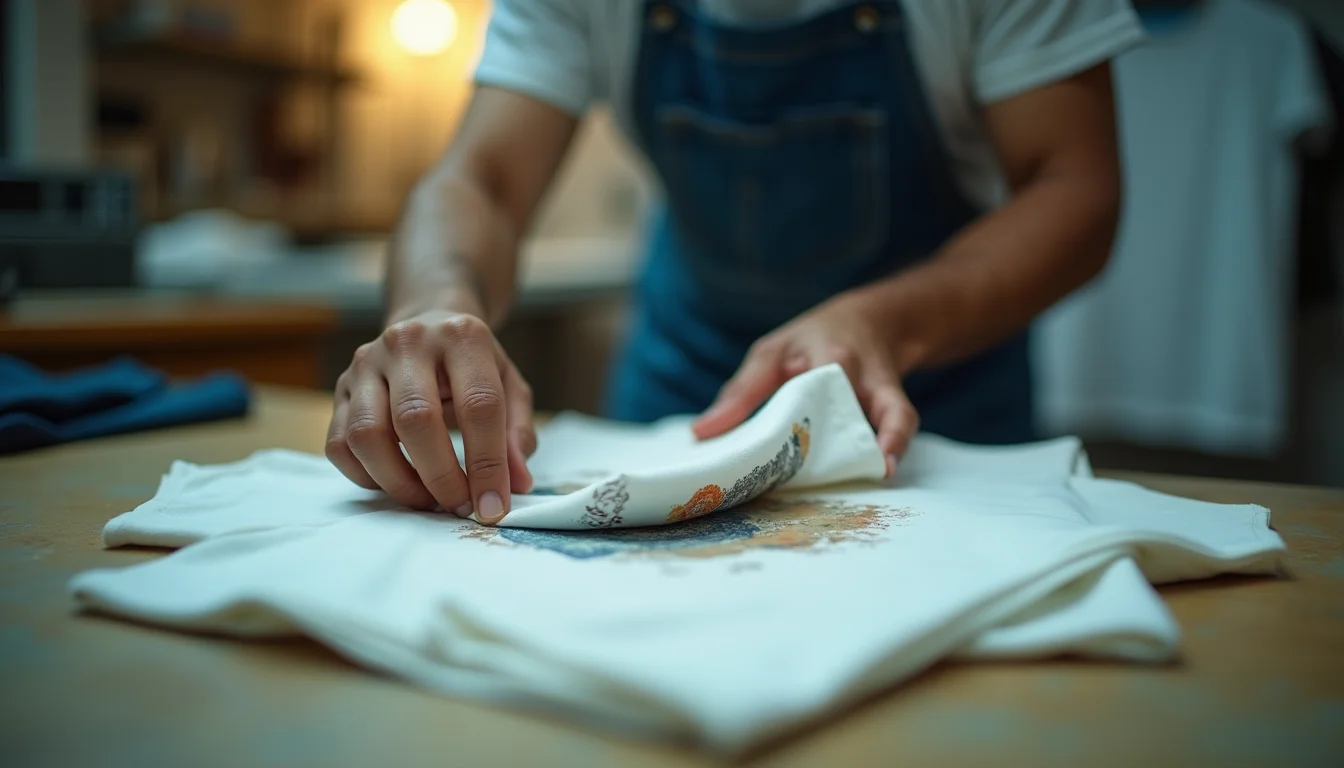
- Feel the Print Quality: Run your hand over the print. Is the powder application uniform? Does it feel smooth or gritty?
- Wash Test is Non-Negotiable: This is critical. Take the samples and wash them multiple times. Do at least 5 wash cycles. Quality DTF prints should maintain vibrancy and adhesion even after 20-30 washes.
- Stretch Test: Stretch the fabric. Does the print crack? Good DTF prints have flexibility.
- Compare Side-by-Side: Get samples from both a ₹2 lakh and ₹8 lakh printer. Compare them after washing. The difference will be obvious.
- Visit Running Units: Ask for references and visit businesses actually using these printers. Talk to them about real-world experience, downtime, and maintenance.
- Check Service Network: Who handles repairs? How quickly can you get parts? Is there local support or do you have to ship the printer?
The Quality of Your Blanks Matters Just as Much
Here's something many new printing businesses overlook: even the best DTF printer can't save you if you're using poor-quality blank t-shirts. The fabric you print on directly affects the final result.
For DTF printing specifically, you want:
- Pre-shrunk fabrics: So the print doesn't distort after the first wash
- Bio-washed finish: Provides a smoother surface for better print adhesion
- Consistent GSM: 180-220 GSM works well for DTF, with 200 GSM being the sweet spot for premium feel
- Ring-spun combed cotton: Finer yarns mean better print clarity and detail
At Sale91.com, we manufacture bio-washed, pre-shrunk plain t-shirts specifically suited for DTF, DTG, and screen printing. With our own knitting facility in Tiruppur and 1+ lakh pieces in ready stock, we supply to printing businesses across India. Check our complete product catalog for GSM options and bulk pricing.
Watch the Complete Video Breakdown
For a visual explanation of the key differences between budget and premium DTF printers, watch our detailed video below:
Real-World Recommendations from the Industry
Having worked with hundreds of printing businesses across India, here are some practical insights we've gathered:
For Startups and First-Time Printers
If you're completely new to the printing business, consider starting even smaller before committing to a DTF printer. Many successful businesses began by outsourcing their printing to established units while they built their customer base and refined their designs. Once you have consistent demand of 30-40 pieces daily for at least 2-3 months, then consider purchasing your own equipment.
For Established Screen Printers Adding DTF
If you're already running a screen printing business and adding DTF capability, you probably have a good sense of your volumes. In this case, go for quality over savings. A mid-range or premium printer makes sense because downtime costs you across all your operations.
For Service Bureaus and B2B Printers
If you're printing for other businesses or running a service bureau, reliability is paramount. Your customers don't care about your equipment problems—they need their orders on time. Premium printers with better duty cycles and redundancy features are worth every rupee.
Financing and ROI Considerations
An ₹8 lakh investment seems daunting, but let's look at the math:
If you're printing 100 t-shirts daily at an average profit of ₹50 per piece (after all costs including blank t-shirt, ink, powder, labor), that's ₹5,000 daily or ₹1,50,000 monthly profit. Your ₹8 lakh printer pays for itself in about 5-6 months. Even at ₹30 profit per piece, you're looking at a 9-10 month payback period.
Compare this to a ₹2 lakh printer that breaks down in 90 days. You've lost 3 months of production, spent money on repairs or replacement, and potentially lost customers. The "cheaper" option often ends up costing more.
Many suppliers now offer EMI options. Spreading an ₹8 lakh investment over 12-24 months often makes more business sense than risking your entire operation on underpowered equipment.
Maintenance Tips to Maximize Any Printer's Life
Regardless of which printer you choose, proper maintenance dramatically extends its lifespan:
- Daily cleaning: Wipe down the print heads and clean the capping station daily
- Use quality ink: Don't cheap out on ink—off-brand formulations cause clogging
- Maintain temperature: Keep your printing area at stable temperature and humidity
- Don't let it sit idle: If you're not printing, run a test print every 2-3 days to keep ink flowing
- Follow manufacturer schedules: Do recommended maintenance at specified intervals
- Keep spare parts: Stock critical spare parts like capping stations and dampers
- Train your staff: Make sure everyone operating the printer knows proper procedures
The Future-Proofing Question
Technology evolves rapidly. Today's premium printer might be mid-range in 2-3 years. Consider:
- Upgradeability: Can the printer be upgraded with better heads or components later?
- Software updates: Does the manufacturer provide software updates?
- Resale value: Premium brands typically have better resale value when you upgrade
- Scalability: If your business doubles, can your printer keep up, or will you need to replace it?
Ready to Start Your Printing Business?
Get premium quality blank t-shirts perfect for DTF printing. Bio-washed, pre-shrunk, 100% cotton in 180-220 GSM options. Bulk quantities available from our warehouse in Delhi.
1,25,232+ pieces sold last month to printing businesses across India
Order From Sale91.comGet ₹3/pc online discount + ₹2/pc discount on 500+ quantity orders
Frequently Asked Questions
Final Thoughts: Making the Smart Investment
The difference between a ₹2 lakh and ₹8 lakh DTF printer isn't just in the price tag—it's in the reliability, production capacity, automation, and long-term viability of your business. The story of the printer that died in 90 days isn't unique. It happens when businesses mismatch equipment capability with production demands.
Here's the bottom line: Don't let the upfront cost be your only deciding factor. Calculate total cost of ownership, factor in your actual production needs, test thoroughly before buying, and choose equipment that supports your business goals for the next 2-3 years, not just today.
Whether you invest ₹2 lakh or ₹8 lakh, make sure you're also investing in quality blank t-shirts. The best printer in the world can't make up for poor-quality fabric. Partner with manufacturers who understand the printing business and can supply consistent quality at scale.
Remember: In the printing business, your equipment and your blanks are your foundation. Build on quality, and your business will stand strong.